


Transformer
Your Professional Transformer Supplier
We are China’s largest manufacturer of electric furnace transformers and among the select few domestic enterprises capable of designing and producing power transformers with ratings exceeding 300 MVA. Our core competencies encompass the engineering, manufacturing, and integration of power transformers, electric furnace transformers, electric arc furnaces for steelmaking, continuous casting systems, and associated auxiliary equipment.


Why Choose Us
Advanced Production Capabilities
We operate a state-of-the-art production facility equipped with more than 500 units of heavy-duty machining equipment—including large-scale gantry milling machines and vertical turning lathes—enabling high-precision, efficient fabrication of complex transformer assemblies and electric arc furnace (EAF) systems.
Global Market Presence
Our products have been successfully exported to over 40 countries across Southeast Asia, Russia, the Middle East, and Europe. Notable project deployments include turnkey transformer solutions delivered to Norway and France.
Proven Industry Leadership
With over seven decades of continuous operation and technological accumulation, we hold a market share exceeding 70% in China’s electric arc furnace transformer segment. We remain one of only a handful of Chinese manufacturers qualified to engineer and deliver ultra-high-capacity transformers rated above 300 MVA.
Parameter
|
Parameter Item |
Parameter Value |
|
Frequency |
50 Hz |
|
Input Voltage |
10.5 kV |
|
Output Voltage |
110 kV |
|
Phase |
Three |
|
Coil Number |
Two Windings |
|
Coil Structure |
Layer Coil |
|
Type |
Oil-Immersed Transformer,Oil-type |
|
Application |
Power Transformer |
|
Product Name |
Oil-immersed Power Transformer |
|
Rated Capacity |
63000 KVA |
|
Cooling Method |
ONAN |
|
Vector Group |
Yd11/YNd11 |
|
Standard |
IEC60076/GB1094 |
|
Material |
Silicon Steel Sheet |
|
Winding Material |
Copper \ Aluminum |
|
Warranty |
12 Months |
Benefits of Transformer
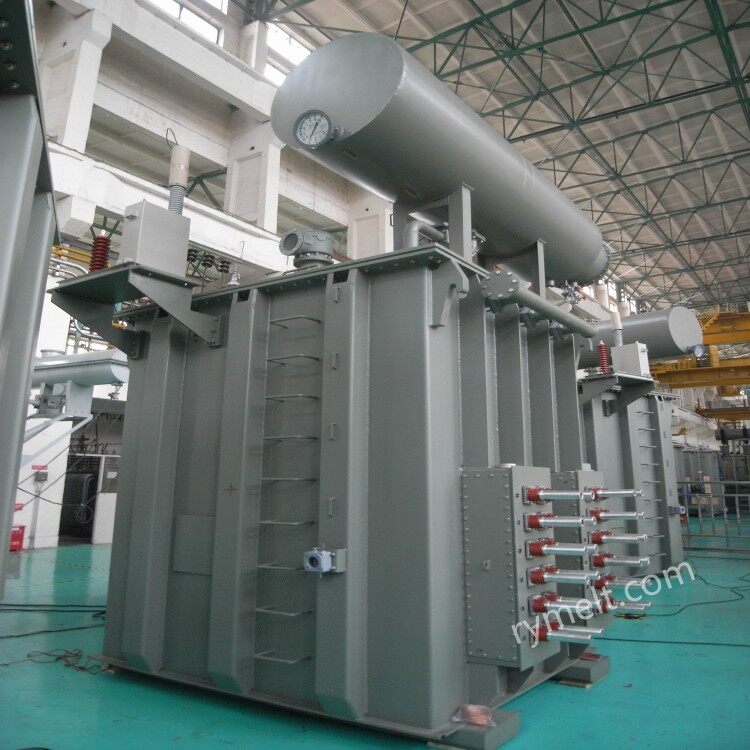
01
Efficient Power Transfer
Transformers enable efficient transmission and distribution of electricity across long distances by adjusting voltage levels.
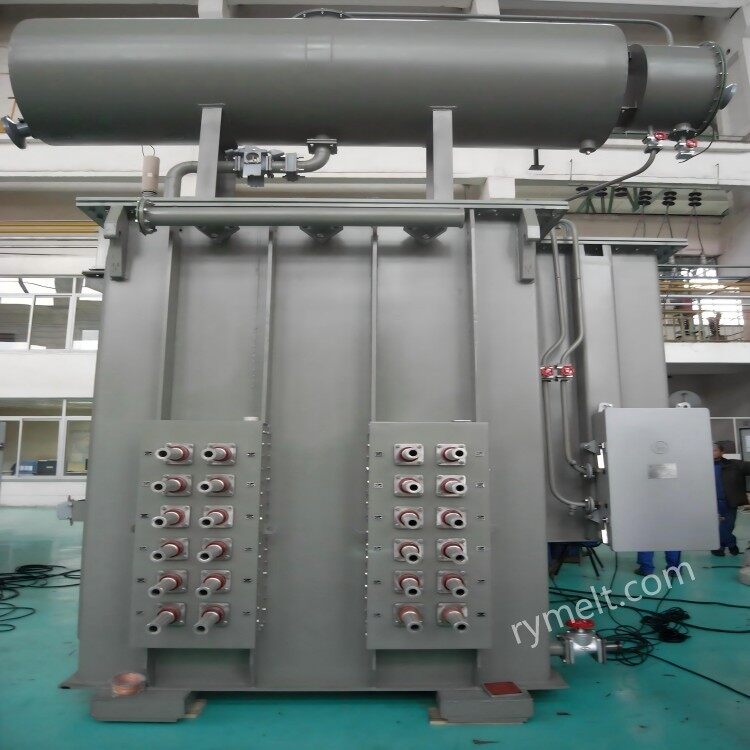
02
Voltage Regulation
They ensure stable voltage output, protecting electrical equipment from fluctuations.
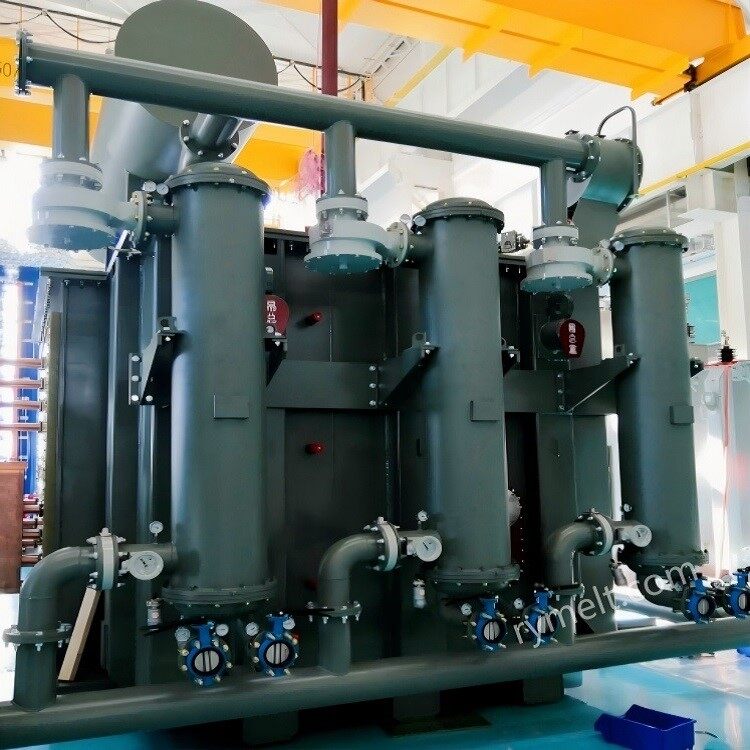
03
Energy Conservation
Transformers minimize energy losses, making power transmission more economical.
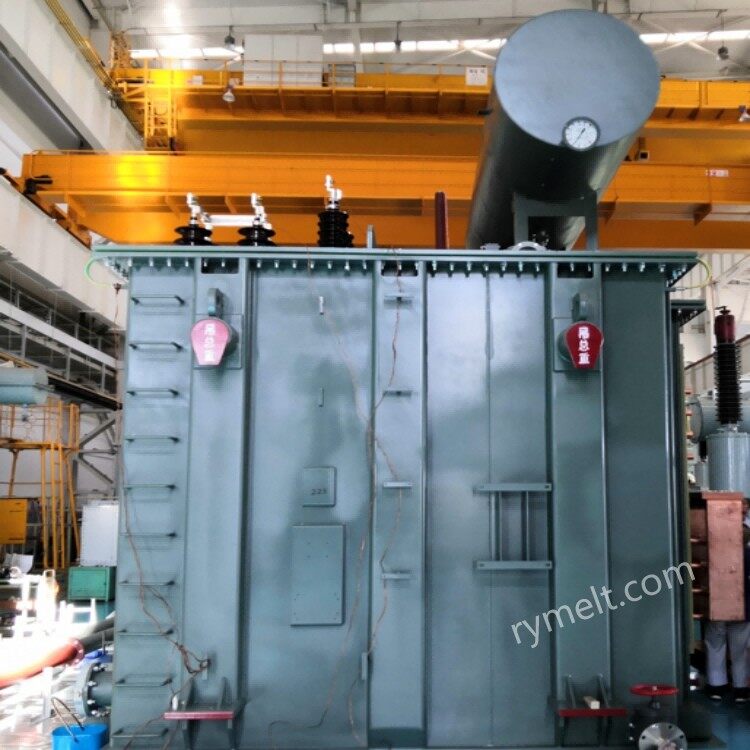
04
Flexibility in Power Distribution
They allow different voltage levels to cater to diverse industrial, commercial, and residential needs.
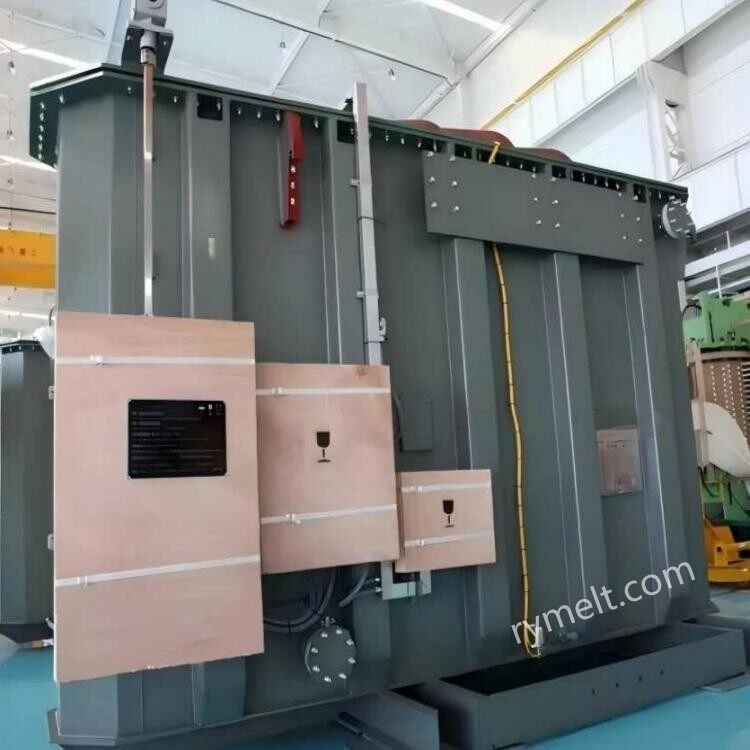
Different types of transformers are designed for specific applications. While power pole transformers and electric pole transformers are common in distribution, other types include:
Power Transformers: Used in substations for high-voltage applications.
Distribution Transformers: Step down voltage for local distribution, including power pole transformers, electric pole transformers.
Instrument Transformers: Measure voltage or current in power systems.
Isolation Transformers: Provide electrical isolation for safety in sensitive equipment.
Autotransformers: Used for small voltage adjustments in specific applications.
Application of Transformer
Transmission Networks
Transmission networks primarily use transformers to increase the generated electrical power's voltage to high levels. This high-voltage transmission is crucial to minimize energy loss over long distances. As a general rule, power plants generate electricity at a lower voltage, which, if transferred in its present form, would result in large I2R losses in the transmission lines due to the greater currents involved. In some systems, step-up transformers raise the voltage to levels as high as 765 kV. This leads to a decrease in current and associated losses, making long-distance power transmission both economically and technically feasible.
Distribution Networks
Transformers are responsible for the crucial task of changing the voltage inside distribution networks to the final levels that are required by the end users. To meet the individual requirements of residential, commercial, and industrial clients, it is frequently necessary to make additional voltage changes after the first step-down that occurs at substations. Consequently, distribution transformers reduce the voltage to levels that are more suitable for use, such as 120/240V for domestic use or greater voltages for industrial facilities.
Industrial Applications
Transformers have a wide range of applications in the industrial sector, where they play an essential role in a variety of processes and operations. Transformers have a wide range of uses in the industrial sector, including motor starting and welding, to name just two examples. These applications show the diversity and essential role that transformers play in supporting industrial processes. This section delves deeply into these applications and explores how transformers enhance the effectiveness, safety, and functionality of industrial systems.
A transformer is built from several critical components that together ensure efficient and safe operation. The key elements are:
Core – Provides a low-reluctance path for magnetic flux
Windings – Carry the primary and secondary currents
Insulation System – Electrically isolates windings and prevents breakdown
Cooling Medium – Dissipates heat generated by losses
Protective Devices – Safeguard the transformer against overload, fault currents, and over-temperature
Shipping and Payment Terms
|
Shipping |
We offer various shipping methods, including sea freight, air freight, and express delivery, depending on the order size and destination. |
|
Terms Of Payment |
We usually accept T/T, L/C, Paypal, Credit card, etc. If you prefer other payments terms, please feel free to discuss with us. |
FAQ
As one of the most reliable transformer manufacturers and suppliers in China, we also support customized service. Welcome to wholesale cheap transformer for sale here and get quotation from our factory. For price consultation, contact us.