


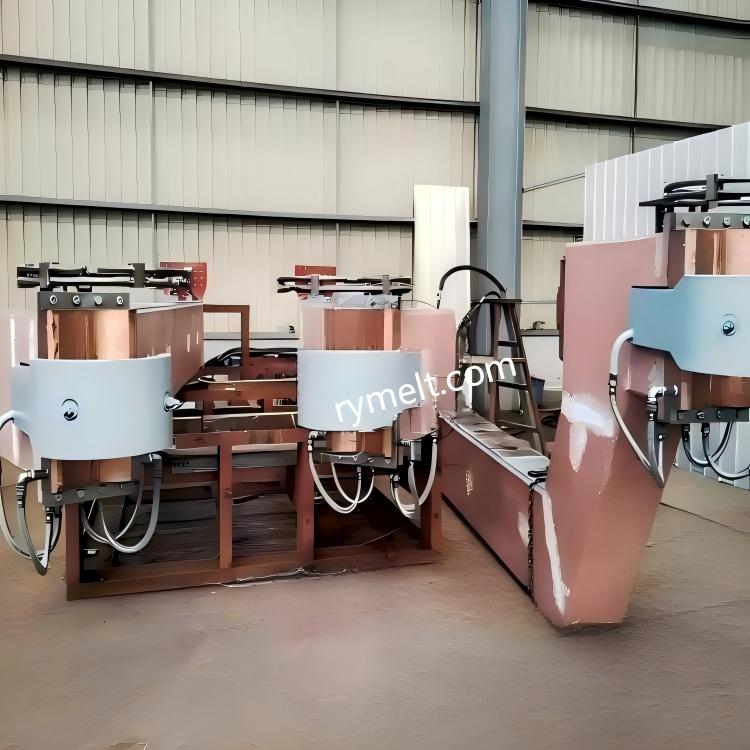
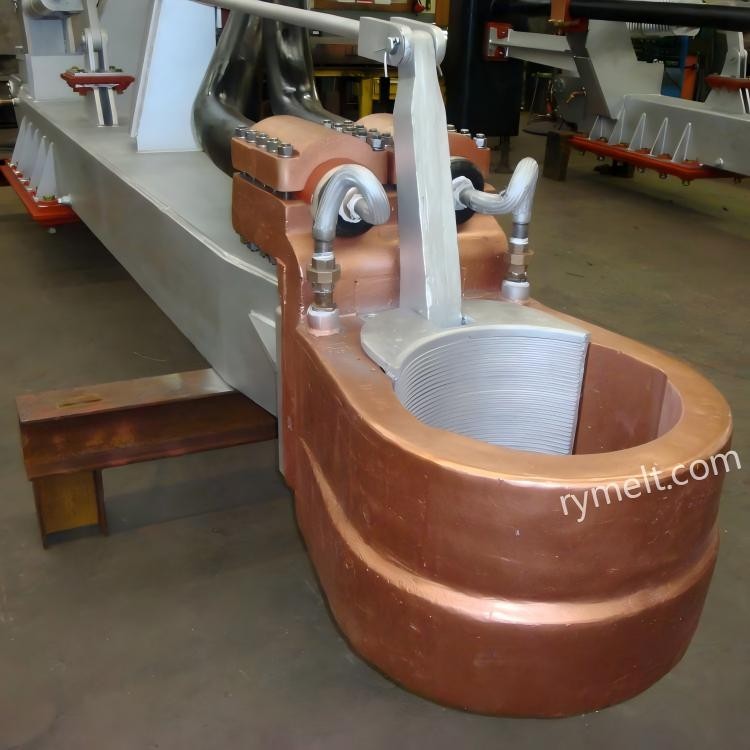
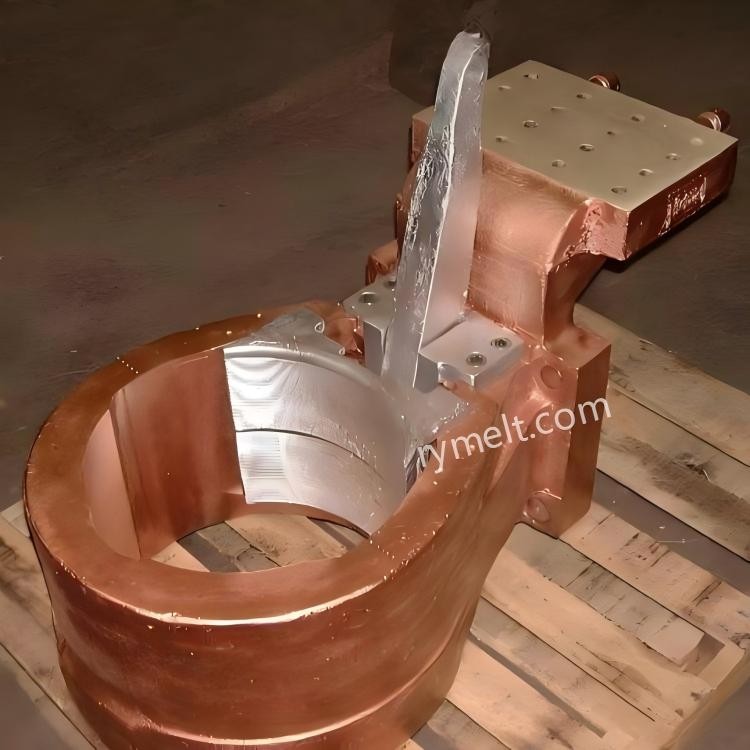
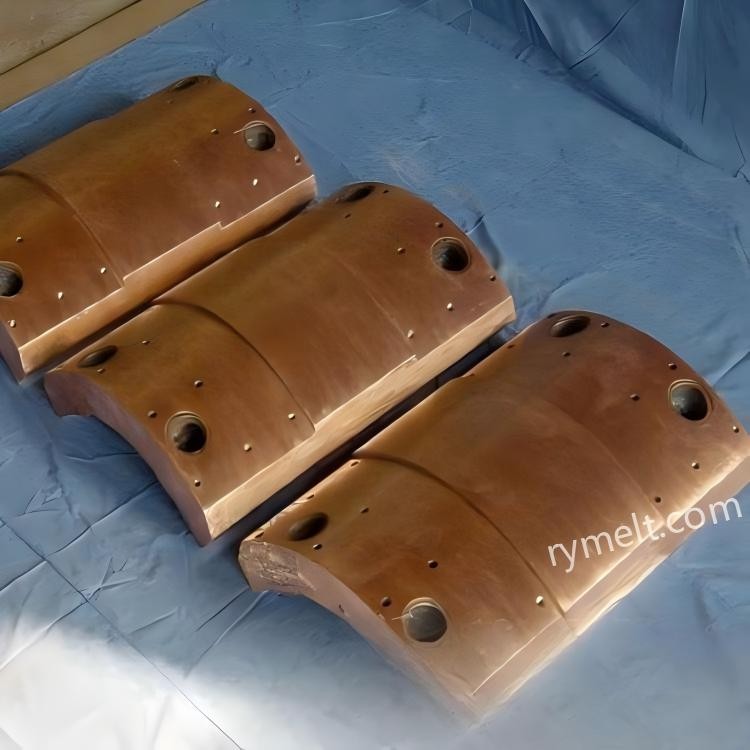
Key Selection Parameters
When selecting an electrode holder, precise matching must be performed based on its rated capacity, compatibility with the electrode arm, and drive method. The following specific technical requirements need to be clarified.
Critical Parameter Matching
The primary task is to determine the nominal diameter of the graphite electrode (typically covering the mainstream range from Φ300mm to Φ600mm). This is a core parameter, and the selection must match it precisely. At the same time, confirm the maximum secondary-side operating current of the transformer (common specifications range from 7.7kA to 70kA). The rated current-carrying capacity of the electrode holder must meet this current value. Additionally, provide the pitch circle diameter of the three electrodes on the furnace roof (which depends on the length of the holders and arms), and specify the furnace type – whether it is a conventional electric arc furnace (EAF), a ladle furnace (LF), or a submerged arc furnace for ferroalloys, as operating conditions vary slightly.

Electrode Arm Matching Details
Provide the interface dimensions and bolt specifications at the connection point with the conductive electrode arm to ensure precise physical installation. Also confirm the model parameters of the existing water-cooled cables so that the new holder can perfectly interface with them.
Drive Method Selection
Clarify the type of clamping mechanism (typically hydraulic or pneumatic), and specify the drive medium and its operating pressure. For hydraulic systems, state the type of hydraulic medium (e.g., oil-based or water-glycol) and the pressure value (in MPa). For pneumatic systems, provide the compressed air pressure value.
Cooling System Parameters
Provide the cooling water consumption (in m³/h) and the requirements for inlet water temperature and return water temperature. Also confirm whether the water pipe fitting specifications (e.g., G1/2", G3/4", G1") match those at your site.

Ordering Considerations
To avoid incorrect selection, be sure to provide us with detailed technical parameters when ordering:
Provide complete technical data: Including furnace type (e.g., EAF/LF), capacity, electrode diameter, transformer rating, current and voltage levels, cooling water temperature and pressure, etc., to ensure the supplier can deliver a precisely matched design.
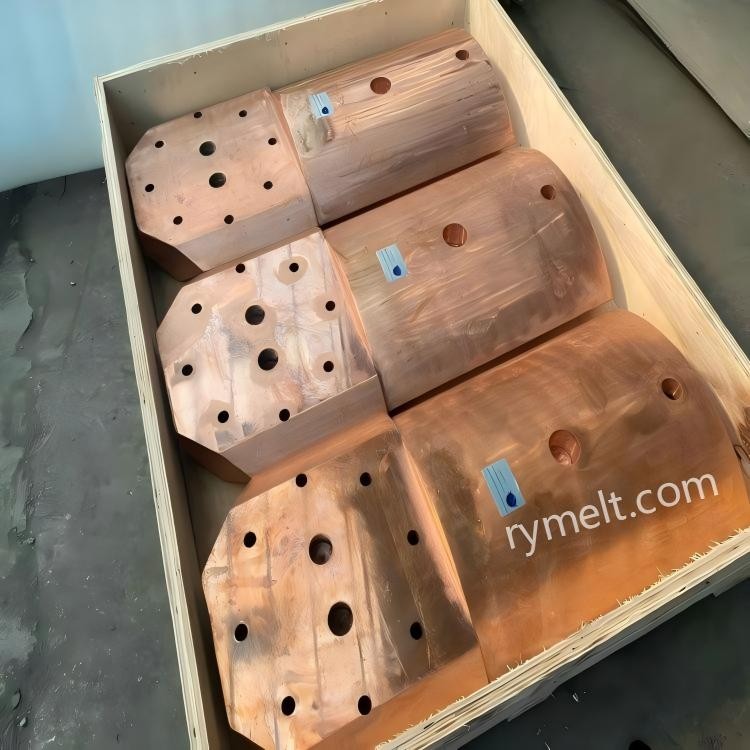
Request key qualification documents: We can provide material certificates for core components such as conductive contact pads as required. If necessary, request hydrostatic test reports and dimensional inspection reports.
Confirm hydraulic and interface details: If hydraulic clamping is used, be sure to confirm the hydraulic medium type. Different media (e.g., oil-based vs. water-glycol) have different requirements for seals and valve groups; failure to do so may cause leaks or system malfunctions.
Communicate mounting dimensions and drawings: Even for standard specifications, verify in advance the connection method and mechanical fit dimensions with your conductive electrode arm and lifting column to prevent installation issues on site.
Consider a spare parts strategy: It is recommended to purchase a complete holder assembly as an on-site spare and to establish safety stock for its wear parts (e.g., contact pads, seals) to significantly shorten downtime caused by equipment failure.
Communicate delivery and after-sales terms: When signing the contract, clarify the delivery lead time, packaging requirements, on-site installation guidance services, and subsequent warranty terms to ensure a worry-free process.

Supplier & Service: Evaluating Quality, Choosing a Partner
Prioritize suppliers (such as us) who can provide material certifications and comprehensive after-sales service. It is advisable to conduct on-site audits or request the supplier to provide application cases and user feedback from similar products. By evaluating their production consistency, after-sales responsiveness (e.g., whether they provide on-site installation guidance), you can comprehensively assess their reliability.


