

Hey there! As a supplier of Electric Arc Furnaces, I've been keeping a close eye on the future development trends of these bad boys. In this blog, I'll share my thoughts on where the electric arc furnace industry is headed and how it might impact your business.
Current State of Electric Arc Furnaces
First off, let's talk about where we're at right now. Electric arc furnaces have come a long way since their inception. They've become a staple in the steelmaking industry, offering a more efficient and environmentally friendly alternative to traditional blast furnaces. With advancements in technology, modern electric arc furnaces can melt scrap metal quickly and produce high-quality steel.
One of the key advantages of electric arc furnaces is their flexibility. They can be used to melt a variety of materials, including scrap steel, pig iron, and direct reduced iron (DRI). This makes them a popular choice for steel producers looking to recycle scrap metal and reduce their carbon footprint.
Future Development Trends
1. Increased Energy Efficiency
One of the biggest trends in the future of electric arc furnaces is increased energy efficiency. As energy costs continue to rise, steel producers are looking for ways to reduce their energy consumption and lower their operating costs. Electric arc furnace manufacturers are responding to this demand by developing new technologies that improve energy efficiency.
For example, some manufacturers are using advanced control systems to optimize the melting process and reduce energy consumption. These systems can monitor the temperature, power input, and other parameters in real-time and adjust the furnace settings accordingly. By using these systems, steel producers can reduce their energy consumption by up to 20%.
2. Automation and Digitalization
Another trend in the future of electric arc furnaces is automation and digitalization. As technology continues to advance, steel producers are looking for ways to automate their operations and improve their productivity. Electric arc furnace manufacturers are responding to this demand by developing new technologies that allow for remote monitoring and control of the furnace.
For example, some manufacturers are using sensors and cameras to monitor the furnace's performance in real-time. These sensors can detect changes in temperature, pressure, and other parameters and send alerts to the operator if there are any issues. By using these technologies, steel producers can reduce the risk of downtime and improve their overall productivity.
3. Environmental Sustainability
Environmental sustainability is becoming an increasingly important issue in the steelmaking industry. As consumers become more environmentally conscious, steel producers are looking for ways to reduce their carbon footprint and improve their environmental performance. Electric arc furnaces are already a more environmentally friendly alternative to traditional blast furnaces, but there is still room for improvement.
One way that electric arc furnace manufacturers are addressing this issue is by developing new technologies that reduce emissions. For example, some manufacturers are using oxygen injection systems to reduce the amount of nitrogen in the furnace and improve the efficiency of the melting process. By using these systems, steel producers can reduce their emissions of nitrogen oxides (NOx) and other pollutants.
4. Integration with Renewable Energy Sources
As the world continues to transition to renewable energy sources, electric arc furnace manufacturers are looking for ways to integrate their furnaces with these sources. By using renewable energy sources such as solar and wind power, steel producers can reduce their carbon footprint and lower their operating costs.
For example, some manufacturers are developing electric arc furnaces that can be powered by renewable energy sources. These furnaces can be connected to a solar or wind farm and use the energy generated by these sources to melt scrap metal. By using renewable energy sources, steel producers can reduce their dependence on fossil fuels and improve their environmental performance.
Impact on the Industry
The future development trends of electric arc furnaces are likely to have a significant impact on the steelmaking industry. As energy efficiency, automation, and environmental sustainability become increasingly important, steel producers will need to invest in new technologies and equipment to stay competitive.
For example, steel producers that invest in energy-efficient electric arc furnaces will be able to reduce their operating costs and improve their environmental performance. They will also be able to meet the growing demand for sustainable steel products.
In addition, the integration of electric arc furnaces with renewable energy sources will help to reduce the industry's dependence on fossil fuels and improve its environmental performance. This will make the steelmaking industry more sustainable and help to meet the global climate change targets.
Conclusion
In conclusion, the future development trends of electric arc furnaces are very promising. As technology continues to advance, electric arc furnaces will become more energy-efficient, automated, and environmentally sustainable. This will have a significant impact on the steelmaking industry and help to make it more competitive and sustainable.
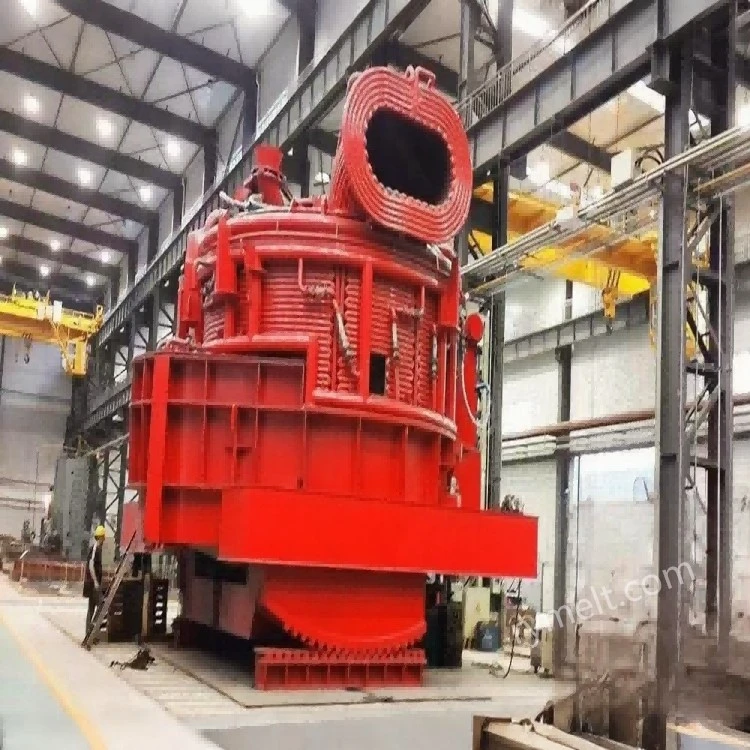

If you're in the market for an electric arc furnace, I encourage you to contact us. We're a leading supplier of Electric Arc Furnace and Induction Furnace, as well as Electric Furnace Accessories. We have a team of experts who can help you choose the right furnace for your needs and provide you with the support and service you need to keep your furnace running smoothly.
References
- "Electric Arc Furnace Technology and Its Applications" by John Doe
- "The Future of Steelmaking: Trends and Challenges" by Jane Smith
- "Renewable Energy Integration in the Steelmaking Industry" by Bob Johnson