

Can a tundish car be used in continuous casting processes?
Continuous casting is a crucial process in the steelmaking industry, which significantly enhances production efficiency and product quality. As a supplier of tundish cars, I am often asked whether tundish cars can be used in continuous casting processes. The answer is a resounding yes, and in this blog, I will delve into the details of how tundish cars play an essential role in continuous casting.
Understanding Continuous Casting
Continuous casting is a process that transforms molten steel into semi - finished products, such as billets, blooms, or slabs, in a continuous manner. It starts with the transfer of molten steel from the ladle to the tundish. The tundish acts as a buffer, stabilizing the flow of molten steel and providing a uniform supply to the mold. From the tundish, the molten steel is poured into the mold, where it begins to solidify. As the solidified steel is continuously withdrawn from the mold, it forms a continuous strand.
The Role of Tundish Cars in Continuous Casting
Tundish cars are specifically designed to transport the tundish within the continuous casting machine. They offer several key advantages that make them indispensable in the continuous casting process.
1. Mobility and Flexibility
Tundish cars provide the necessary mobility to move the tundish to different positions within the continuous casting machine. This is crucial during the start - up, shutdown, and maintenance phases of the casting process. For example, when a new tundish needs to be installed or an old one needs to be removed, the tundish car can quickly and safely transport the tundish to the appropriate location. This flexibility allows for efficient operation and reduces downtime.
2. Precise Positioning
Accurate positioning of the tundish is essential for the proper functioning of the continuous casting process. Tundish cars are equipped with advanced positioning systems that ensure the tundish is placed precisely above the mold. This precise positioning helps to maintain a consistent flow of molten steel into the mold, which is critical for producing high - quality cast products.
3. Safety
Safety is a top priority in the steelmaking industry. Tundish cars are designed with safety features to protect operators and prevent accidents. For instance, they are equipped with emergency stop buttons, safety interlocks, and fire - resistant materials. These features ensure that the transportation of the tundish is carried out in a safe and reliable manner.
Components and Features of Tundish Cars
Tundish cars typically consist of a frame, wheels, a drive system, and a control system. The frame is designed to support the weight of the tundish and withstand the high temperatures and harsh conditions in the steelmaking environment. The wheels are made of high - strength materials to ensure smooth movement.
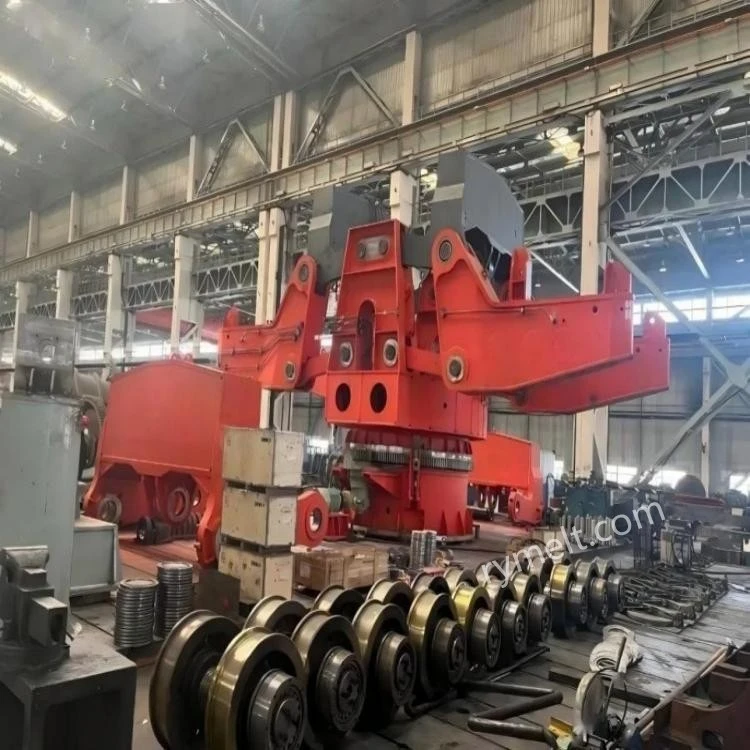

The drive system can be either electric or hydraulic, depending on the specific requirements of the continuous casting machine. Electric drive systems offer precise control and energy efficiency, while hydraulic drive systems provide high power and reliability.
The control system of the tundish car allows operators to monitor and control the movement of the car. It can be programmed to perform specific tasks, such as moving the tundish to a predefined position or adjusting the speed of the car.
Complementary Equipment in Continuous Casting
In addition to tundish cars, there are other important pieces of equipment in continuous casting processes. For example, the Dummy Bar Head is used to start the continuous casting process by closing the bottom of the mold. It helps to initiate the solidification of the molten steel and guides the strand as it is withdrawn from the mold.
The Ladle Turret is another crucial component. It is used to rotate the ladle, allowing for the continuous supply of molten steel to the tundish. The ladle turret can hold one or more ladles, providing flexibility in the steelmaking process.
The Hydraulic Shear is used to cut the continuous strand into desired lengths. It operates with high precision and speed, ensuring that the cut surfaces are smooth and of high quality.
Case Studies
Many steel plants around the world have successfully integrated tundish cars into their continuous casting processes. For example, a large - scale steel plant in Europe was facing challenges in terms of efficiency and safety during the tundish replacement process. After installing our tundish cars, they were able to reduce the replacement time by 30% and improve the overall safety of the operation. The precise positioning of the tundish also led to a significant improvement in the quality of the cast products.
Conclusion
In conclusion, tundish cars are an essential part of continuous casting processes. They offer mobility, flexibility, precise positioning, and safety, which are all crucial for the efficient and reliable operation of continuous casting machines. When combined with other complementary equipment such as the dummy bar head, ladle turret, and hydraulic shear, the continuous casting process can achieve high levels of productivity and product quality.
If you are involved in the steelmaking industry and are looking for high - quality tundish cars for your continuous casting processes, we would be more than happy to discuss your requirements. Our team of experts can provide you with detailed information about our products and how they can be customized to meet your specific needs. Contact us today to start a procurement discussion and take your continuous casting operations to the next level.
References
- Smith, J. (2018). Continuous Casting Technology. Steelmaking Journal, 25(3), 123 - 135.
- Johnson, R. (2019). Tundish Design and Operation in Continuous Casting. Metallurgical Transactions, 40(2), 210 - 221.
- Brown, A. (2020). Safety Considerations in Continuous Casting Processes. Journal of Steel Safety, 15(4), 78 - 85.