

Hey there! As an induction furnace supplier, I've seen firsthand how crucial it is to optimize the operation of these amazing pieces of equipment. In this blog post, I'll share some practical tips and tricks to help you get the most out of your induction furnace.
Understanding the Basics
First things first, let's quickly go over what an induction furnace is. An Induction Furnace uses electromagnetic induction to heat and melt metals. It's a highly efficient and precise way to produce molten metal, making it a popular choice in various industries, from steelmaking to foundries.
Proper Installation and Setup
The first step in optimizing your induction furnace's operation is to ensure it's installed and set up correctly. This includes placing the furnace in a well-ventilated area, away from flammable materials. Make sure the electrical connections are secure and that the cooling system is functioning properly. A poorly installed furnace can lead to inefficiencies, breakdowns, and even safety hazards.
Regular Maintenance
Maintenance is key to keeping your induction furnace running smoothly. Regularly inspect the furnace for any signs of wear and tear, such as cracks in the lining or loose connections. Clean the furnace regularly to remove any debris or slag that may have accumulated. Replace any worn-out parts promptly to prevent further damage.
Melting Process Optimization
One of the most important aspects of operating an induction furnace is optimizing the melting process. Here are some tips to help you do just that:
- Choose the Right Charge Material: The quality and type of charge material you use can have a significant impact on the melting process. Make sure to use high-quality scrap metal that is free of contaminants. Using the right mix of charge materials can also help you achieve the desired chemical composition of the molten metal.
- Control the Power Input: The power input to the induction furnace plays a crucial role in the melting process. Too much power can cause the metal to overheat and waste energy, while too little power can result in a longer melting time. Monitor the power input carefully and adjust it as needed to ensure efficient melting.
- Manage the Melting Time: The melting time can also affect the quality of the molten metal. Try to keep the melting time as short as possible to minimize the risk of oxidation and other impurities. However, don't rush the process too much, as this can lead to uneven melting and other issues.
Temperature Control
Maintaining the right temperature is essential for the proper operation of an induction furnace. Here are some tips to help you control the temperature effectively:
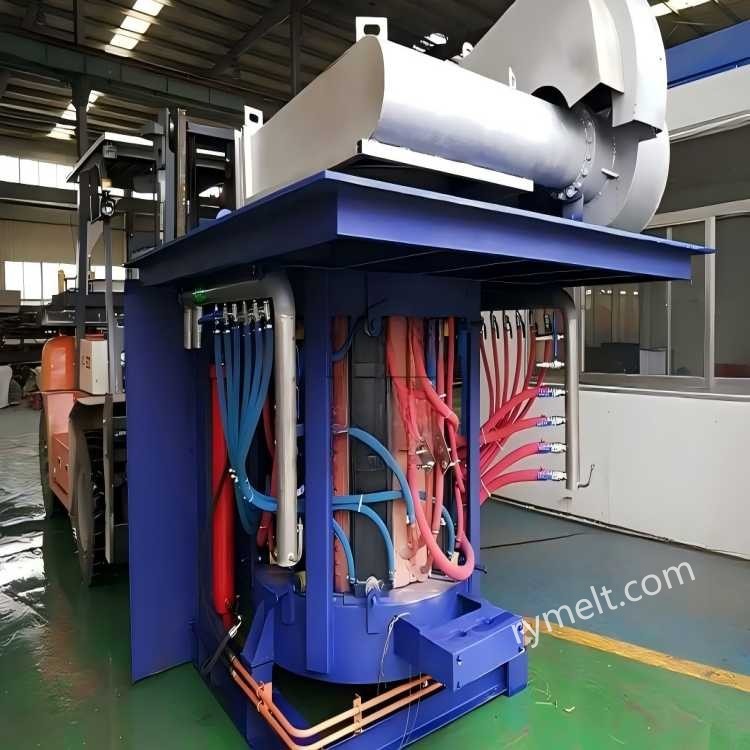

- Use a Temperature Sensor: A temperature sensor can help you monitor the temperature of the molten metal in real-time. This allows you to make adjustments to the power input and other parameters as needed to maintain the desired temperature.
- Insulate the Furnace: Proper insulation can help reduce heat loss and improve the energy efficiency of the furnace. Make sure the furnace is well-insulated to minimize heat transfer to the surrounding environment.
- Control the Cooling Rate: The cooling rate of the molten metal can also affect its properties. Make sure to control the cooling rate carefully to ensure the desired quality of the final product.
Safety Considerations
Safety should always be a top priority when operating an induction furnace. Here are some safety tips to keep in mind:
- Wear Protective Gear: Make sure to wear appropriate protective gear, such as heat-resistant gloves, goggles, and aprons, when working around the furnace.
- Follow Safety Procedures: Familiarize yourself with the safety procedures for operating the induction furnace and follow them carefully. This includes proper handling of the charge material, use of the cooling system, and emergency shutdown procedures.
- Train Your Staff: Make sure your staff is properly trained on the safe operation of the induction furnace. Provide regular training and refresher courses to ensure they are up-to-date on the latest safety practices.
Other Furnace Options
In addition to induction furnaces, there are other types of furnaces that you may want to consider for your specific needs. Two popular options are the AOD Furnace and the VD/VOD Furnace.
- AOD Furnace: An AOD (Argon Oxygen Decarburization) furnace is used for refining stainless steel and other high-alloy steels. It uses a combination of argon and oxygen to remove carbon and other impurities from the molten metal.
- VD/VOD Furnace: A VD (Vacuum Degassing) or VOD (Vacuum Oxygen Decarburization) furnace is used for producing high-quality steel with low levels of impurities. It operates under a vacuum to remove gases and other contaminants from the molten metal.
Conclusion
Optimizing the operation of an induction furnace requires a combination of proper installation, regular maintenance, and careful process control. By following the tips and tricks outlined in this blog post, you can improve the efficiency, productivity, and safety of your induction furnace.
If you're interested in learning more about induction furnaces or other types of furnaces, or if you're looking to purchase a new furnace for your business, don't hesitate to contact us. We're here to help you find the right solution for your needs.
References
- Smith, J. (2020). Induction Furnace Handbook. Publisher Name.
- Johnson, R. (2019). Optimizing Furnace Operations. Journal of Industrial Heating, 45(2), 32-37.