

Hey there! As a supplier of water jackets, I've been getting a lot of questions lately about the difference between water jackets and air-cooled systems. So, I thought I'd take a moment to break it down for you.
Let's start with the basics. A water jacket is a component that surrounds a part or a system, and it uses water to transfer heat away from that part. On the other hand, an air-cooled system uses air to dissipate heat. Both have their own unique advantages and disadvantages, and understanding these can help you make the right choice for your specific needs.
How Water Jackets Work
Water jackets work on the principle of heat transfer. The water circulates through the jacket, absorbing heat from the part it's surrounding. This heated water is then pumped away to a heat exchanger, where it releases the heat and cools down before being recirculated. This continuous cycle ensures that the part stays at a safe operating temperature.
One of the biggest advantages of water jackets is their efficiency. Water has a high specific heat capacity, which means it can absorb a large amount of heat without a significant increase in temperature. This allows water jackets to cool parts more effectively than air-cooled systems, especially in high-heat applications.
Another benefit is the ability to maintain a consistent temperature. Water jackets can be designed to regulate the flow of water, ensuring that the part stays within a narrow temperature range. This is crucial in applications where temperature stability is important, such as in some industrial processes or high-performance engines.
How Air-Cooled Systems Work
Air-cooled systems, as the name suggests, use air to cool a part. They typically consist of fins or other heat-dissipating structures that increase the surface area of the part, allowing more air to come into contact with it. The air then carries away the heat, cooling the part.
Air-cooled systems are often simpler and more cost-effective than water jackets. They don't require a complex plumbing system or a heat exchanger, which can reduce both the initial cost and the maintenance requirements. They're also more portable and can be used in situations where water isn't readily available.
However, air-cooled systems have some limitations. Air has a lower specific heat capacity than water, which means it can't absorb as much heat. This makes them less efficient in high-heat applications, and they may struggle to keep up with the cooling demands in some situations.
Applications of Water Jackets and Air-Cooled Systems
The choice between a water jacket and an air-cooled system depends largely on the application. Water jackets are commonly used in industrial settings, such as in manufacturing processes where high temperatures are generated. For example, in metalworking, Torch Cutting Nozzle often use water jackets to prevent overheating. The high heat generated during the cutting process can quickly damage the nozzle, but a water jacket can help keep it cool and extend its lifespan.
In the steel industry, Ladle Turret also rely on water jackets to manage the extreme heat. The ladle turret is responsible for holding and transferring molten steel, and the water jacket helps to ensure that the components don't overheat and malfunction.
On the other hand, air-cooled systems are more commonly used in consumer products and smaller-scale applications. For example, many laptops and desktop computers use air-cooled systems to keep their processors cool. These systems are sufficient for the relatively low heat generated by these devices, and they're also more compact and cost-effective.
Maintenance and Longevity
Maintenance is another important factor to consider when choosing between a water jacket and an air-cooled system. Water jackets require regular maintenance to ensure that the water is clean and free of contaminants. Over time, minerals and other impurities in the water can build up and cause blockages in the system, reducing its efficiency. Additionally, the water pump and other components may need to be replaced periodically.
Air-cooled systems, on the other hand, generally require less maintenance. They don't have a water system to worry about, so there's no need to monitor water quality or replace water pumps. However, the fins and other heat-dissipating structures need to be kept clean to ensure proper airflow. If the fins become clogged with dust or debris, the cooling efficiency will be reduced.

In terms of longevity, water jackets can last a long time if they're properly maintained. The materials used in water jackets are typically durable and resistant to corrosion, which helps to extend their lifespan. Air-cooled systems can also last a long time, but they may be more susceptible to damage from dust and other environmental factors.
Cost Considerations
Cost is always a factor when making a decision. Water jackets tend to be more expensive upfront due to the cost of the water jacket itself, the plumbing system, and the heat exchanger. However, in the long run, they can be more cost-effective in high-heat applications because they're more efficient and can reduce the risk of equipment damage.
Air-cooled systems are generally less expensive to purchase and install. They don't require a complex plumbing system or a heat exchanger, which can save a significant amount of money. However, if they're used in high-heat applications where they can't keep up with the cooling demands, they may lead to more frequent equipment failures and higher maintenance costs.
Making the Right Choice
So, how do you decide whether a water jacket or an air-cooled system is right for you? Here are some things to consider:
- Heat load: If you have a high-heat application, a water jacket is likely the better choice. It can handle the heat more effectively and maintain a consistent temperature.
- Availability of water: If water is readily available and you have the infrastructure to support a water cooling system, a water jacket may be a good option. However, if water is scarce or you need a portable solution, an air-cooled system may be more suitable.
- Budget: Consider your upfront budget as well as the long-term costs. While water jackets may be more expensive initially, they can save you money in the long run if they prevent equipment damage and reduce maintenance costs.
- Space and portability: If you have limited space or need a system that can be easily moved, an air-cooled system may be a better fit. Water jackets require more space for the plumbing and heat exchanger.
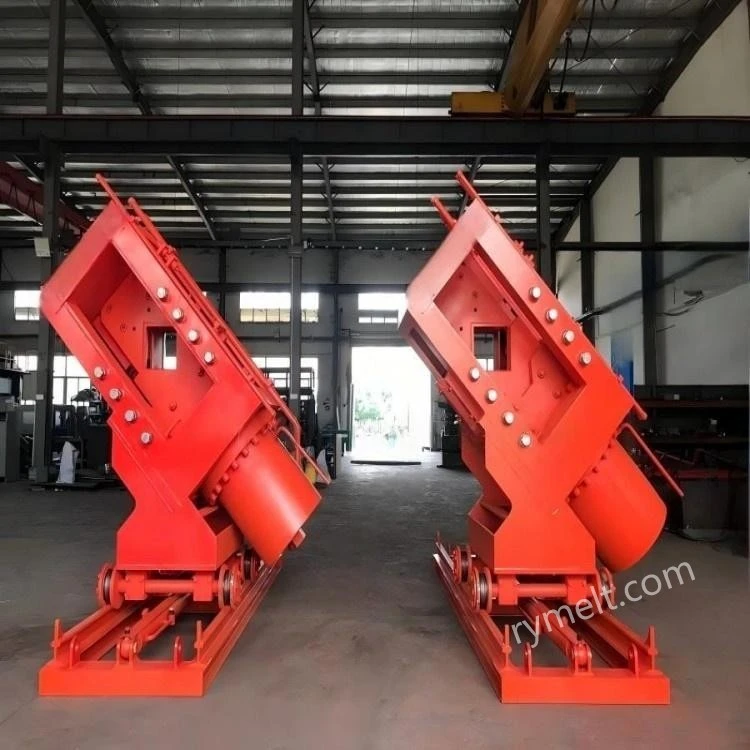
As a water jacket supplier, I'm here to help you make the right decision. If you're still unsure whether a water jacket is the right choice for your application, feel free to reach out to me. I can provide you with more information and help you find the best solution for your needs. Whether you're in the market for a Torch Cutting Nozzle, a Ladle Turret, or a Hydraulic Shear, I can offer you high-quality water jackets that will meet your requirements.
If you're interested in learning more about our water jackets or have any questions, don't hesitate to contact me. We're always happy to discuss your needs and provide you with a customized solution. Let's work together to find the best cooling solution for your application!
References
- "Thermal Management in Industrial Processes" - A technical guide on heat transfer and cooling systems in industrial settings.
- "Cooling Technologies for Electronic Devices" - A research paper on the different cooling methods used in electronic devices.
- "Principles of Heat Transfer" - A textbook that explains the fundamental principles of heat transfer and how they apply to cooling systems.