

What is the Bending Radius of a Copper Mould Tube?
As a supplier of Copper Mould Tube, I've encountered numerous inquiries regarding the bending radius of these crucial components in continuous casting machines. Understanding the bending radius is essential for optimizing the performance and longevity of the copper mould tube, as well as ensuring the quality of the cast products.
The Concept of Bending Radius
The bending radius of a copper mould tube refers to the minimum radius at which the tube can be bent without causing permanent deformation or damage. It is a critical parameter that influences the design and operation of continuous casting machines. A smaller bending radius allows for more compact machine designs, but it also places greater stress on the tube material. Conversely, a larger bending radius reduces the stress on the tube but may require a larger machine footprint.
Factors Affecting the Bending Radius
Several factors influence the bending radius of a copper mould tube. These include the material properties of the copper, the wall thickness of the tube, and the method of bending.
Copper is a soft and ductile material, which makes it relatively easy to bend. However, the specific alloy composition of the copper can affect its bending properties. For example, copper alloys with higher levels of alloying elements such as chromium or zirconium may have improved strength and hardness, but they may also be more difficult to bend.
The wall thickness of the copper mould tube also plays a significant role in determining the bending radius. Thicker walled tubes generally have a larger bending radius compared to thinner walled tubes. This is because thicker walls provide more resistance to deformation during bending.
The method of bending is another important factor. There are several techniques for bending copper mould tubes, including cold bending and hot bending. Cold bending is typically used for smaller diameter tubes and involves bending the tube at room temperature using specialized tools. Hot bending, on the other hand, involves heating the tube to a specific temperature before bending it. This method is often used for larger diameter tubes or when a more precise bend is required.
Importance of the Bending Radius in Continuous Casting
The bending radius of a copper mould tube has a direct impact on the performance of the continuous casting process. A proper bending radius ensures that the molten steel flows smoothly through the tube, minimizing the risk of defects in the cast product. It also helps to maintain the integrity of the tube, reducing the likelihood of leakage or other failures.
In addition, the bending radius affects the cooling efficiency of the copper mould tube. A smaller bending radius can increase the surface area of the tube in contact with the cooling water, improving heat transfer and reducing the risk of overheating. However, if the bending radius is too small, it can also restrict the flow of cooling water, leading to uneven cooling and potential thermal stress in the tube.
Determining the Optimal Bending Radius
Determining the optimal bending radius for a copper mould tube requires careful consideration of several factors. These include the specific requirements of the continuous casting process, the properties of the copper alloy, and the design of the casting machine.
In general, the bending radius should be selected to balance the need for a compact machine design with the requirement for a reliable and efficient casting process. The manufacturer of the copper mould tube can provide guidance on the recommended bending radius based on the specific application and material characteristics.
Applications of Copper Mould Tubes
Copper mould tubes are widely used in the continuous casting of steel and other metals. They are an essential component of continuous casting machines, which are used to produce a variety of products, including slabs, billets, and blooms.
In addition to their use in steelmaking, copper mould tubes are also used in other industries, such as the automotive and aerospace industries. In these applications, the tubes are used to produce high-quality components with precise dimensions and mechanical properties.
Related Components in Continuous Casting
In addition to copper mould tubes, there are several other important components in a continuous casting machine. Two such components are the Roller Table and the Ladle Turret.
The roller table is used to support and transport the cast product as it exits the copper mould tube. It consists of a series of rollers that are driven by motors to move the product along the production line. The roller table plays a crucial role in ensuring the smooth and efficient operation of the continuous casting process.

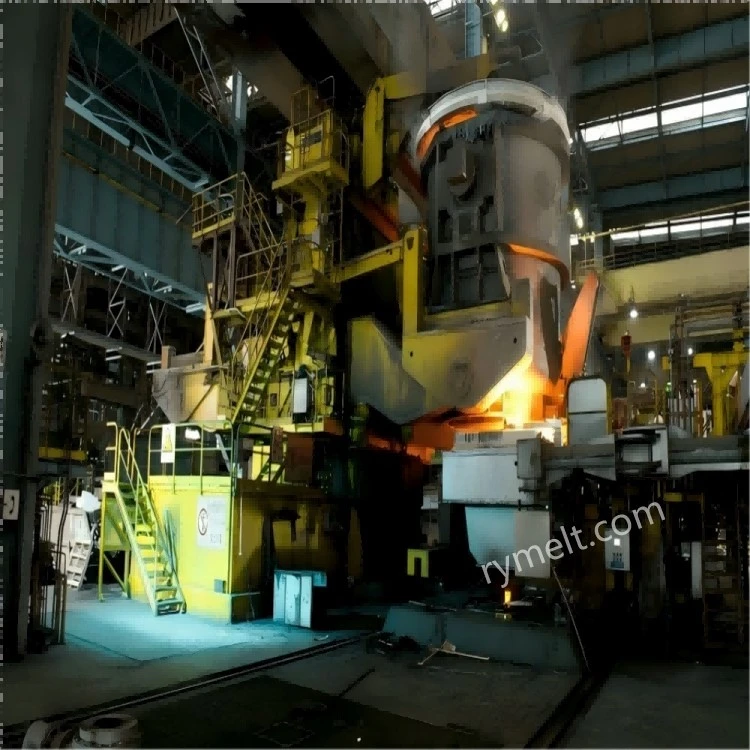
The ladle turret is used to hold and transfer the molten steel from the ladle to the tundish, which is located above the copper mould tube. It consists of a rotating platform that can hold multiple ladles, allowing for continuous operation of the casting process. The ladle turret is an important component in ensuring the stability and reliability of the continuous casting process.
Conclusion
In conclusion, the bending radius of a copper mould tube is a critical parameter that affects the performance and efficiency of the continuous casting process. Understanding the factors that influence the bending radius and selecting the optimal value is essential for ensuring the quality of the cast products and the longevity of the copper mould tube.
As a supplier of Copper Mould Tube, we are committed to providing high-quality products and technical support to our customers. If you have any questions or require further information about copper mould tubes or other continuous casting components, please do not hesitate to contact us for a detailed discussion. Our team of experts is ready to assist you in finding the best solutions for your specific needs.
References
- Smith, J. (2018). Continuous Casting Technology. Elsevier.
- Johnson, M. (2019). Copper Alloys in Engineering Applications. Wiley.
- Brown, S. (2020). Modern Steelmaking Processes. Springer.