

Automation has become a pivotal force in the modernization of industrial processes, and the electric arc furnace (EAF) is no exception. As a leading supplier of Electric Arc Furnace, I have witnessed firsthand the transformative benefits that automation brings to this essential piece of equipment in the steelmaking industry. In this blog post, I will explore the various advantages of automating an electric arc furnace, highlighting how it can enhance productivity, improve quality, and reduce costs.
Enhanced Productivity
One of the primary benefits of automating an electric arc furnace is the significant increase in productivity. Automation allows for precise control of the melting process, ensuring that the furnace operates at optimal efficiency. By using advanced sensors and control systems, the furnace can adjust its power input, electrode position, and other parameters in real-time, based on the specific requirements of the steel being produced. This results in faster melting times, reduced energy consumption, and increased throughput.
For example, automated electrode control systems can continuously monitor the arc length and adjust the electrode position to maintain a stable arc. This not only improves the melting efficiency but also reduces electrode consumption, as the electrodes are used more effectively. Additionally, automated charging systems can accurately measure and deliver the correct amount of scrap and other raw materials into the furnace, ensuring a consistent and efficient melting process.
Automation also enables continuous operation of the electric arc furnace, reducing downtime between batches. With automated systems in place, the furnace can be quickly and efficiently prepared for the next batch, minimizing the time spent on manual cleaning and maintenance. This leads to increased production capacity and a more reliable supply of steel.
Improved Quality
Automation plays a crucial role in ensuring the quality of the steel produced in an electric arc furnace. By precisely controlling the melting process, automation helps to minimize variations in the chemical composition and physical properties of the steel. This results in a more consistent and higher-quality product, which is essential for meeting the strict requirements of various industries.
Automated systems can monitor and control the temperature, oxygen levels, and other key parameters during the melting process, ensuring that the steel is produced within the specified tolerances. For example, advanced oxygen injection systems can be used to control the oxidation process, which helps to remove impurities and improve the quality of the steel. Additionally, automated sampling and analysis systems can provide real-time feedback on the chemical composition of the steel, allowing for immediate adjustments to be made if necessary.
Automation also helps to reduce the risk of human error, which can have a significant impact on the quality of the steel. By eliminating manual intervention in critical processes, such as electrode control and charging, automation ensures that the furnace operates consistently and accurately. This reduces the likelihood of defects and improves the overall quality of the steel produced.
Cost Reduction
Automating an electric arc furnace can also lead to significant cost savings. By improving productivity and quality, automation reduces the overall cost of production. For example, the increased throughput and reduced energy consumption resulting from automation can lower the cost per ton of steel produced. Additionally, the improved quality of the steel reduces the need for rework and scrap, further reducing costs.
Automation also helps to reduce labor costs. By automating repetitive and labor-intensive tasks, such as charging and electrode control, fewer workers are required to operate the furnace. This not only reduces labor costs but also improves worker safety by reducing the exposure to hazardous conditions.
Furthermore, automation can help to extend the lifespan of the furnace and its components. By precisely controlling the melting process, automation reduces the wear and tear on the furnace lining, electrodes, and other components. This results in fewer maintenance and replacement costs, further reducing the overall cost of production.
Safety and Environmental Benefits
Automation also offers significant safety and environmental benefits. By reducing the need for manual intervention in the furnace operation, automation reduces the risk of accidents and injuries. Workers are no longer required to work in close proximity to the furnace, where they are exposed to high temperatures, molten metal, and other hazards.

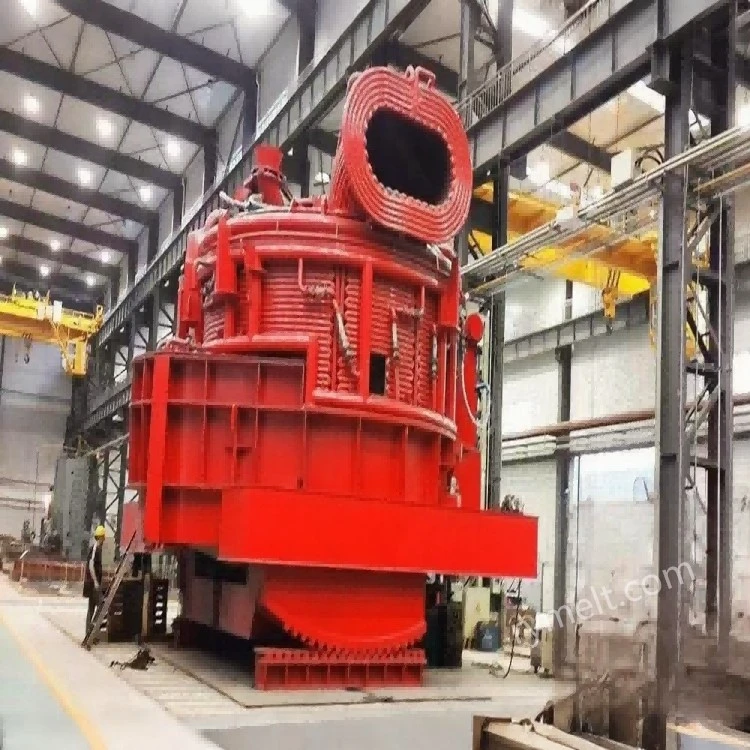
Automation also helps to reduce the environmental impact of the steelmaking process. By improving the efficiency of the furnace, automation reduces energy consumption and greenhouse gas emissions. Additionally, the use of automated systems can help to reduce the generation of waste and pollutants, as the melting process is more precise and controlled.
Comparison with Other Furnace Types
While the electric arc furnace is a popular choice for steelmaking, there are other types of furnaces available, such as the Induction Furnace and the AOD Furnace. Each type of furnace has its own advantages and disadvantages, and the choice of furnace depends on the specific requirements of the steelmaking process.
The induction furnace is commonly used for melting and refining non-ferrous metals, such as aluminum and copper. It offers high efficiency and precise control of the melting process, but it is generally more expensive to operate than the electric arc furnace. The AOD furnace, on the other hand, is used for the production of stainless steel and other high-alloy steels. It offers excellent control of the chemical composition of the steel, but it requires a more complex and expensive infrastructure.
Compared to these other furnace types, the electric arc furnace offers a number of advantages. It is more versatile and can be used for the production of a wide range of steel grades, from low-carbon steels to high-alloy steels. It also offers a lower capital cost and a shorter lead time for installation. Additionally, the electric arc furnace is more energy-efficient than the induction furnace and the AOD furnace, making it a more environmentally friendly option.
Conclusion
In conclusion, automating an electric arc furnace offers a wide range of benefits, including enhanced productivity, improved quality, cost reduction, safety, and environmental benefits. As a leading supplier of Electric Arc Furnace, I am committed to providing our customers with the latest automation technologies and solutions to help them achieve their production goals.
If you are interested in learning more about the benefits of automating an electric arc furnace or would like to discuss your specific requirements, please contact us. Our team of experts will be happy to assist you in finding the right solution for your steelmaking process.
References
- Smith, J. (2020). Automation in the Steel Industry: A Review. Journal of Steel Research, 45(2), 123-135.
- Johnson, R. (2019). The Role of Automation in Electric Arc Furnace Operations. Steelmaking Technology, 32(4), 210-220.
- Brown, A. (2018). Advances in Electric Arc Furnace Automation. Proceedings of the International Conference on Steelmaking, 15-20.