


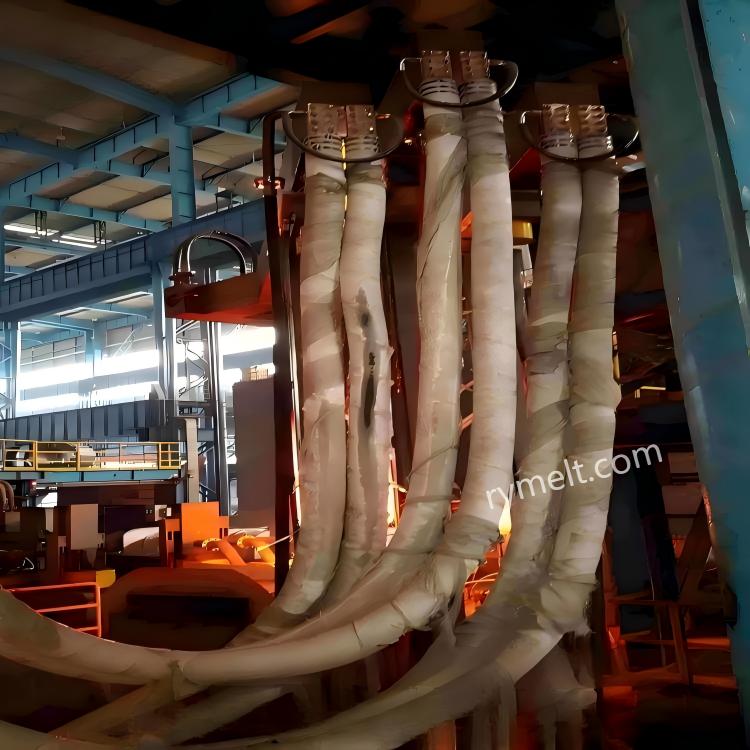
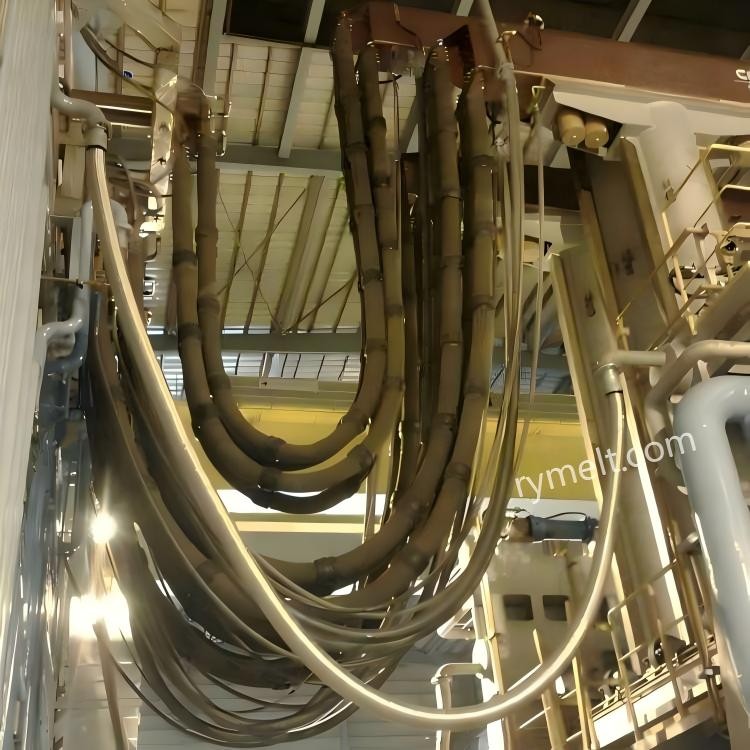
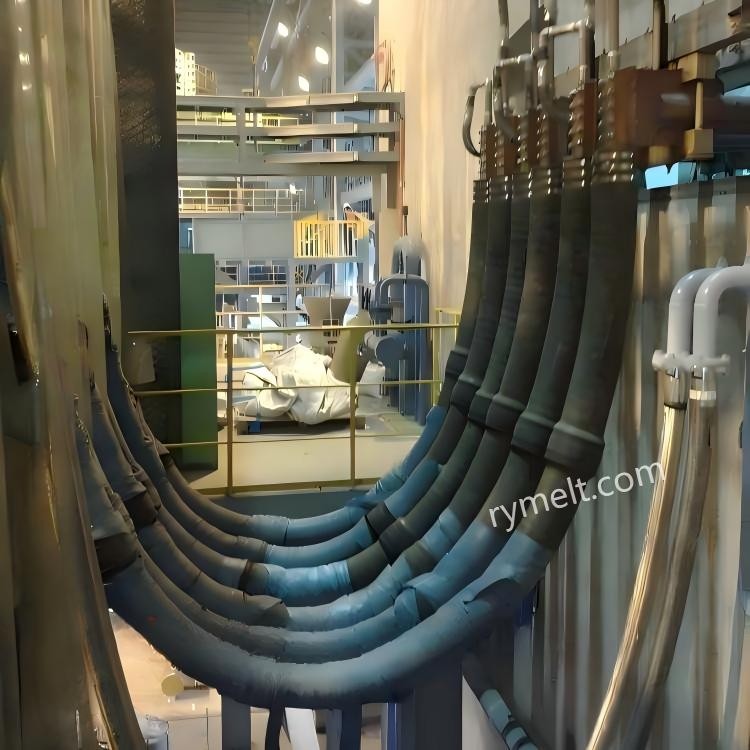
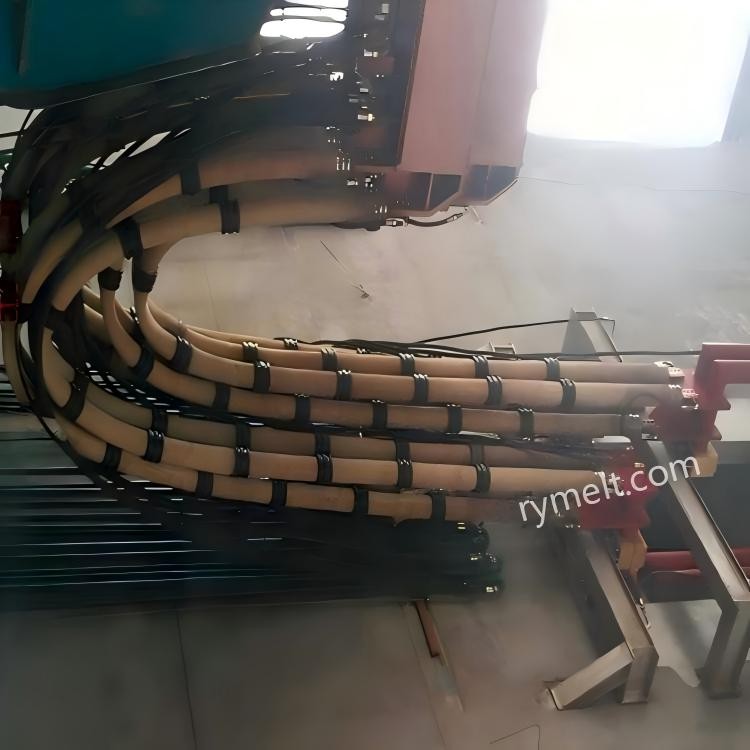
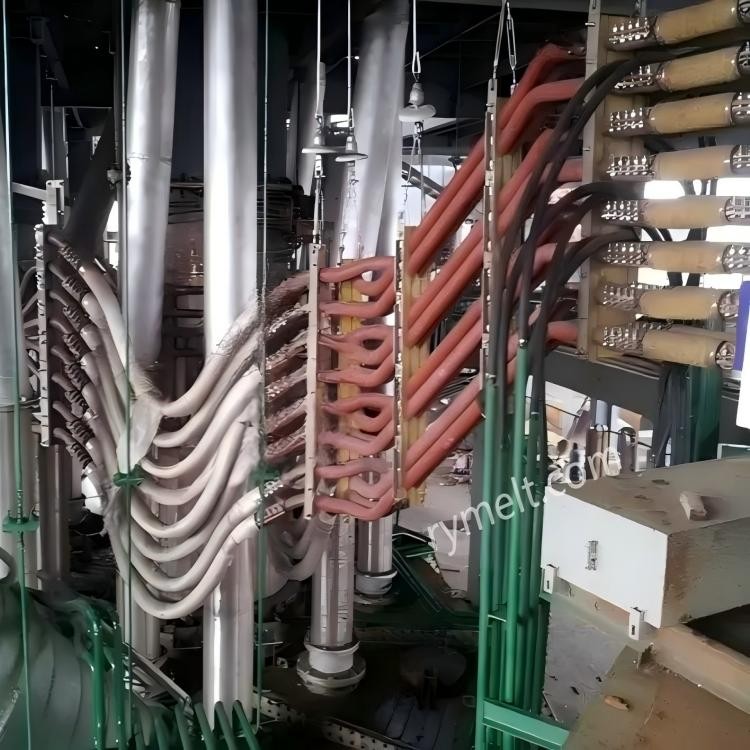
Short network is the "main artery" connecting the transformer secondary to the electrodes, a critical high-current circuit unique to Electric Arc Furnaces (EAF), Ladle Furnaces (LF), Submerged Arc Furnaces (SAF), and other metallurgical furnaces.
Its typical characteristics include:
- Extremely high current (up to tens or even hundreds of kiloamperes)
- Low voltage (only tens to a few hundred volts)
- Short physical length (typically less than 20 meters for large furnaces)
The performance of the short network is a core indicator of the furnace's technical and economic efficiency. Its design and operational condition directly influence:
- Furnace productivity
- Refractory lining service life
- Electrical efficiency
- Power factor

Key Selection Parameters
When selecting a short network, the following technical parameters should be carefully considered:
1. Transformer and Furnace Parameters
- Rated secondary current and voltage of the transformer (fundamental basis for selecting conductor cross-section)
- Furnace type and nominal capacity
- Distribution circle diameter of the three-phase electrodes and electrode diameter
2. Interface and Installation Dimensions
- Specifications of conductor connectors, such as flexible compensators, busbars, and water-cooled cable connections
- Cooling water pipeline interface dimensions to ensure compatibility with on-site piping
- Original drawings or existing components are recommended for reference
3. Electrical Performance and Insulation Requirements
- Three-phase impedance balance requirements (typically imbalance ≤ 5%)
- System insulation level and method
- Insulation materials between electrode holders and conductor arms

Ordering and Acceptance Considerations
1.Define Scope of Supply and Delivery Schedule
- Specify whether the supply includes only the core conductors or additional components such as mounting brackets
- Confirm delivery, installation, and commissioning timelines
2.Clarify Installation and Commissioning Responsibilities
- Clearly assign responsibilities for installation and commissioning in the contract
3.Specify Acceptance Standards
- Follow national standards or industry norms
- Core performance indicators such as impedance balance should be clearly defined with acceptance methods
4. Short Network After-Sales Service and Warranty
- Warranty for key components (e.g., critical welds, insulation parts)
- Response times for after-sales service during the warranty period


