

Yo, what's up everyone! I'm a supplier of copper mould tubes, and today I wanna talk about the magnetic property of these copper mould tubes.
First off, let's get a basic understanding of copper mould tubes. They're a crucial part in the continuous casting process. This process is all about making metal products, and copper mould tubes play a big role in shaping and cooling the molten metal into the right form.
Now, onto the magnetic property of copper mould tubes. Copper itself is a non - ferromagnetic material. That means it doesn't have a strong magnetic field on its own like iron or nickel. But in the continuous casting process, there are some interesting things going on that involve magnetism.
In a continuous casting setup, we often use electromagnetic fields to control the flow of molten metal. These electromagnetic fields can interact with the copper mould tube and the molten metal inside it. The copper mould tube acts as a conductor, and when an alternating current is applied to create an electromagnetic field, it can induce eddy currents in the copper.
Eddy currents are like little circular currents that form within the copper due to the changing magnetic field. These eddy currents have a few important effects. One of them is that they can help in controlling the flow of the molten metal. By adjusting the strength and frequency of the electromagnetic field, we can change the way the eddy currents behave, which in turn affects how the molten metal moves inside the copper mould tube.
For example, if we want to slow down the flow of the molten metal, we can increase the strength of the electromagnetic field. This will increase the eddy currents in the copper mould tube, and these eddy currents will create a resistive force against the flow of the molten metal. On the other hand, if we want to speed up the flow, we can decrease the strength of the field.
Another interesting aspect is the heat transfer. The eddy currents in the copper mould tube generate heat. This heat can be both a good and a bad thing. On one hand, it can help in keeping the molten metal at the right temperature during the casting process. But on the other hand, if the heat is not managed properly, it can cause problems like overheating of the copper mould tube, which can lead to wear and tear.
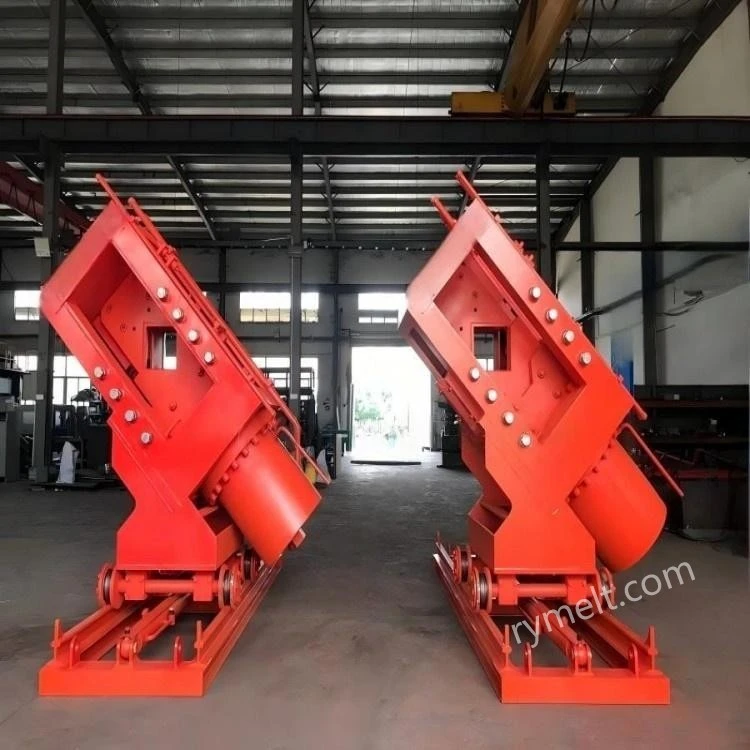
Now, let's talk about some of the products that are related to the continuous casting process. We've got Hydraulic Shear. This is a really important tool in the continuous casting line. It's used to cut the solidified metal into the right lengths. The hydraulic shear works by using hydraulic pressure to make a clean and precise cut.
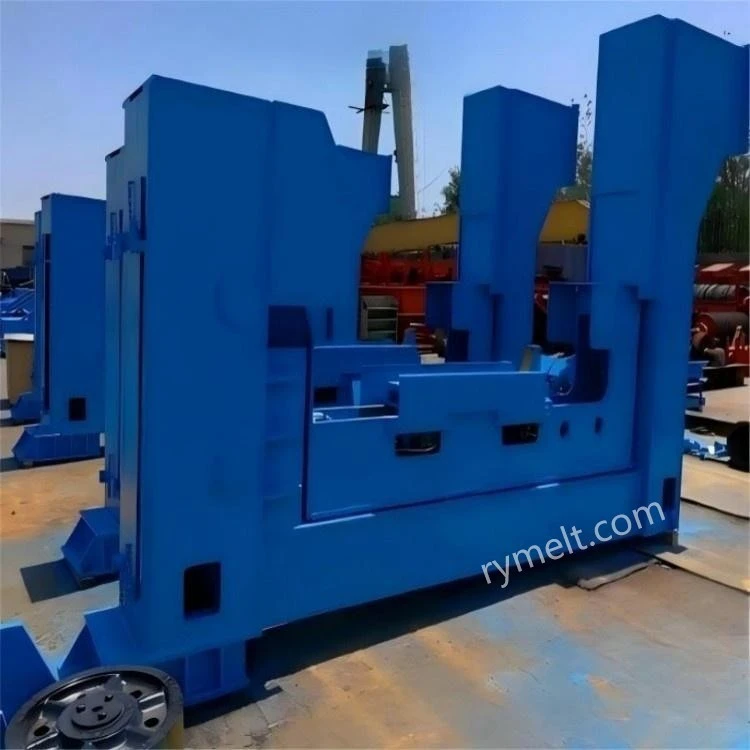
Then there's the Tundish Car. The tundish car is responsible for transporting the tundish, which is a container that holds the molten metal before it goes into the copper mould tube. It needs to be very stable and reliable to ensure a smooth flow of the molten metal.
And we also have the Ladle Turret. The ladle turret is used to hold and rotate the ladle, which is a large container that holds the molten metal. It allows for easy transfer of the molten metal from the ladle to the tundish.
As a copper mould tube supplier, I know how important it is to have high - quality products. The magnetic property of the copper mould tube is just one aspect of its performance. We need to make sure that the copper mould tube can handle the electromagnetic fields, the heat, and the flow of the molten metal without any issues.
We use advanced manufacturing techniques to ensure the quality of our copper mould tubes. We test them rigorously to make sure they meet the highest standards. And we're always looking for ways to improve our products, whether it's by improving the magnetic properties or other aspects.
If you're in the market for copper mould tubes or any of the related products like the hydraulic shear, tundish car, or ladle turret, I'd love to have a chat with you. We can discuss your specific needs and see how we can help you out. Whether you're a small - scale operation or a large industrial plant, we've got the products and the expertise to meet your requirements.
So, if you're interested in learning more or want to start a procurement discussion, don't hesitate to reach out. I'm here to help you get the best products for your continuous casting process.
References:
- "Continuous Casting Technology" by some well - known industry experts.
- Research papers on electromagnetic effects in continuous casting processes.