


Major Application Scenarios and Operating Requirements
1. Blast Furnace System
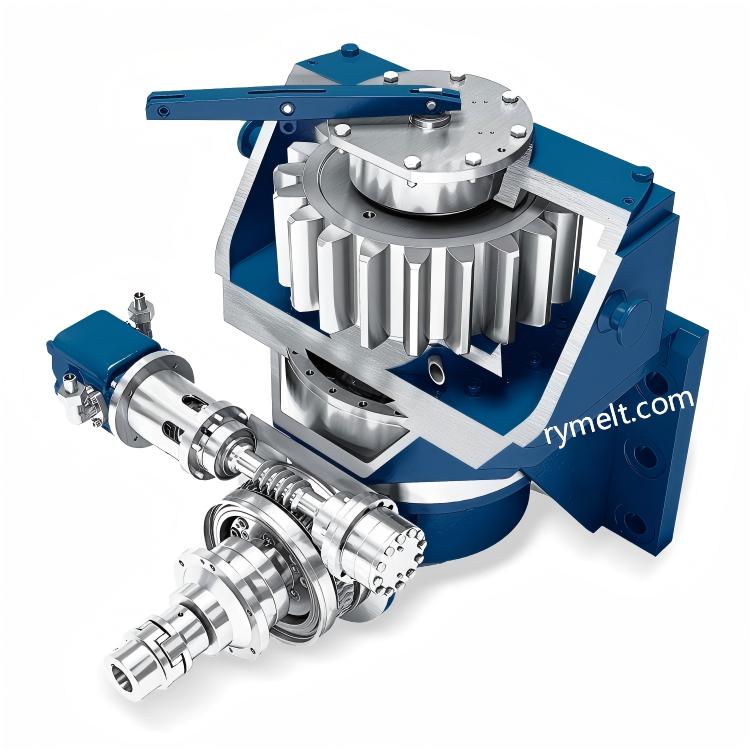
Gear reducers are used for blast furnace charging, burden distribution, slag removal and other processes. These positions feature heavy loads, strong impact and heavy dust. The gear reducers are required to deliver outstanding fatigue resistance and overall reliability. Gears and bearings must withstand long-term continuous operation under frequent impact loads.
2. Steelmaking and Continuous Casting
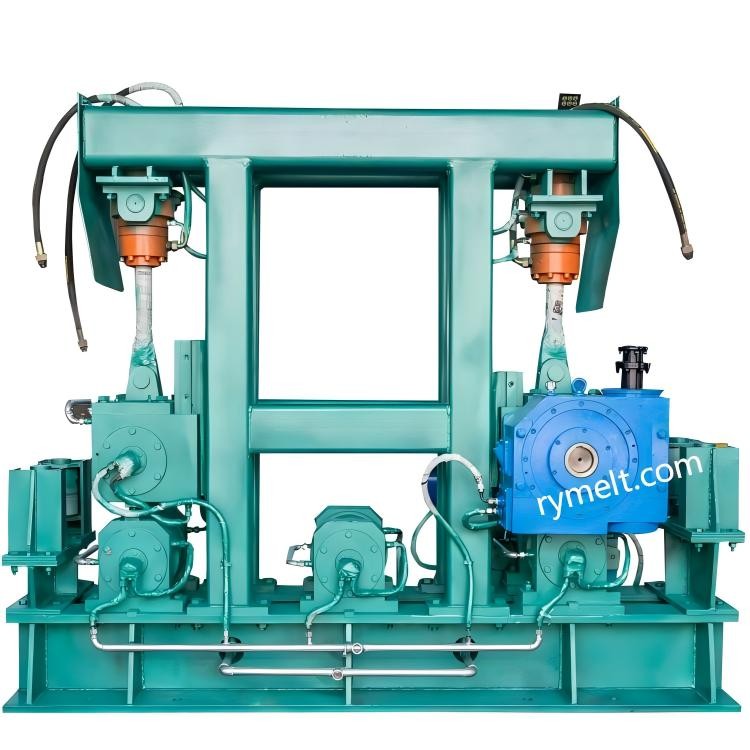
Gear reducers are applied to key equipment such as ladle turrets in steelmaking workshops, as well as withdrawal and straightening Machine and mould oscillation units of continuous casters. The continuous casting area suffers intense radiant heat and severe water splashing, and the equipment is required to operate non-stop around the clock. To meet the working conditions, the gear reducers must be high-temperature resistant with a high ingress protection level against water splash and steam, and excellent sealing performance, so as to prevent lubricant leakage or emulsification caused by water ingress under high temperatures.
3. Steel Rolling (Hot Rolling & Cold Rolling)
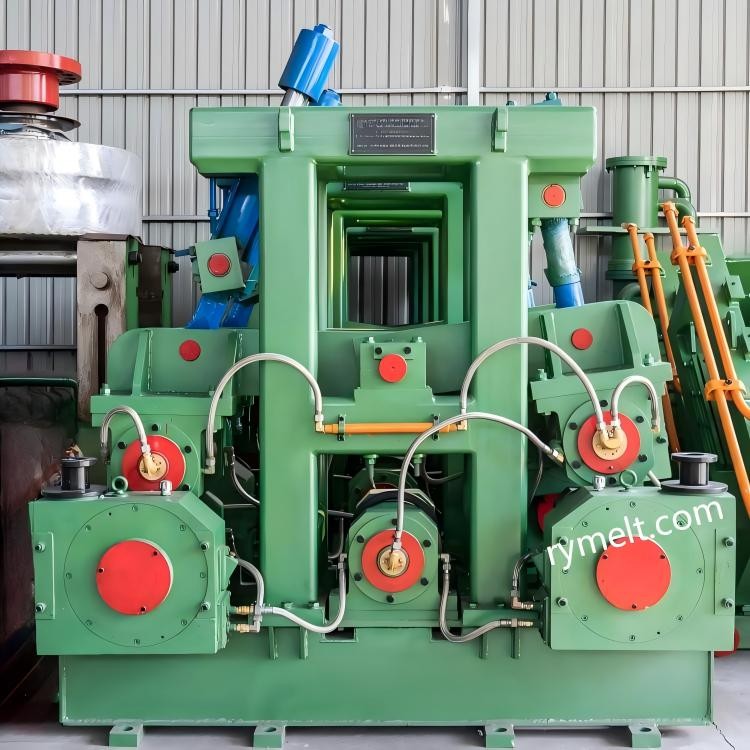
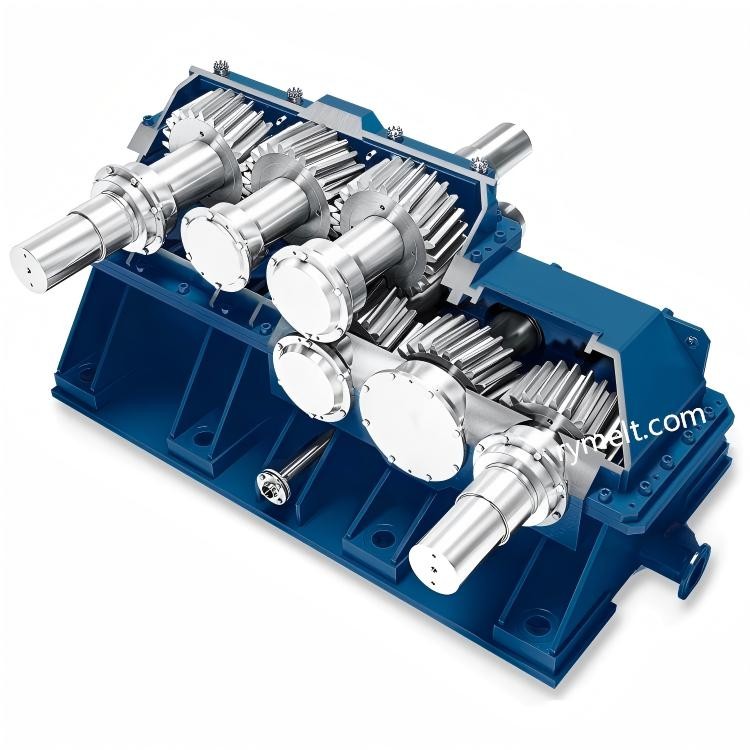
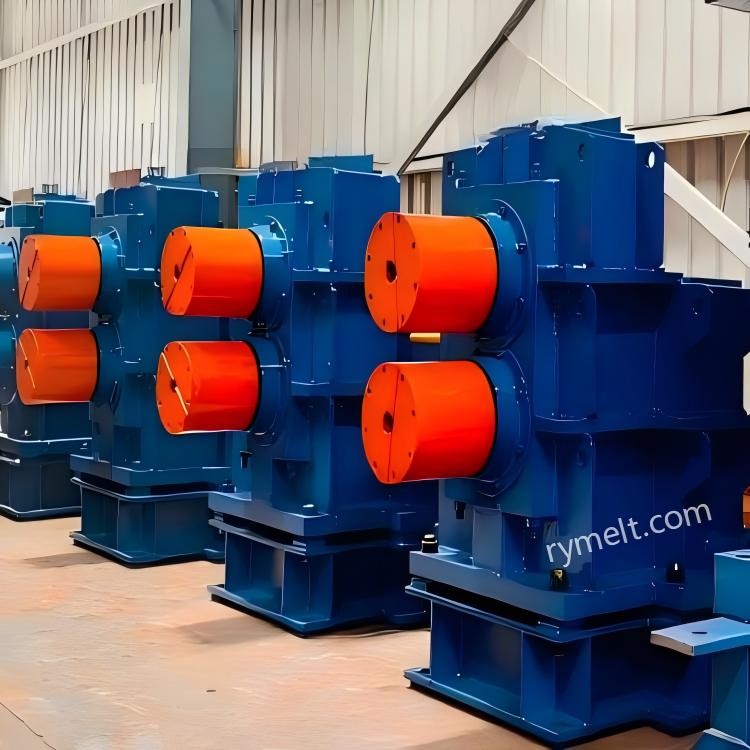
The steel rolling workshop poses the most demanding service conditions for gearbox. Hot rolling mills bear enormous rolling force and frequent impact loads, requiring gear reducers with rigid housings and gears of ultra-high load capacity. Cold rolling has higher requirements for transmission accuracy to ensure the thickness and flatness of steel strips. Gearbox for main rolling mills are mostly equipped with hardened gears, with a safety factor of no less than 2.0, and sometimes even higher. For temperature control, forced lubrication and water cooling devices are installed when necessary.

4. Lifting and Material Handling
Lifting gear reducers and travel gear reducers are adopted for ladle cranes, overhead travelling cranes, transfer trolleys and other handling equipment in steel plants. This type of equipment runs with frequent forward and reverse rotation as well as rapid start and stop, accompanied by heavy impact loads, and has extremely stringent safety requirements. Accordingly, the gear reducers must be fitted with reliable braking systems, and adopt impact-resistant structures with sufficient safety margins.
5. Auxiliary Processes
For auxiliary workshops including steel slag treatment, dust removal and water treatment, the working conditions are relatively mild, with higher focus on cost-effectiveness. Gear reducers with medium strength can be selected according to actual load and operating environment, and there is no need to blindly choose the highest-grade products.

Procurement Guidelines
1. Analyze working conditions and calculate parameters reasonably
Before procurement, confirm the required input power, output speed, output torque and load characteristics (steady load, moderate impact or severe impact). For heavy-duty equipment subjected to frequent impact such as rolling mills and shears, the safety factor shall not be lower than 2.0, and may reach 3.0. For continuously running equipment like withdrawal and straightening units of continuous casters, thermal power shall be verified emphatically to avoid excessive oil temperature due to insufficient heat dissipation.
2. Check interface dimensions and interchangeability
For technical renovation projects, newly purchased gear reducers shall keep the same mounting interface dimensions as the original ones, including center height, input and output shaft dimensions, keyways and anchor bolt hole positions. Priority should be given to products with full equipment interchangeability and even component interchangeability, to minimize on-site civil engineering reconstruction and production downtime.

3. Conduct full life-cycle cost analysis
Do not only consider the initial purchase price. A comprehensive evaluation shall cover the following items:
Initial procurement cost
Daily maintenance and lubricant replacement cost
Availability and price of spare parts such as bearings and oil seals
Economic losses caused by unplanned outages
A slightly more expensive but high-quality gear reducer can cut unplanned downtime by half, which is more cost-effective in the long run.
4. Packaging, Transportation and Acceptance
Heavy-duty gear reducers shall be packed in sturdy wooden cases with rainproof, moisture-proof and rust-proof treatment before delivery. Rust preventive grease and protective covers shall be applied to exposed parts of large equipment. Clarify the liability scope in the transportation contract.
Inspect the goods immediately upon arrival: check whether the model, technical parameters, certificate of conformity and operation manual are complete; examine the appearance for dents and corrosion; turn the shaft manually to ensure flexible rotation without jamming or abnormal noise. Where conditions permit, conduct no-load commissioning or load running test in accordance with relevant standards.


