


Oven Protection Iron Parts
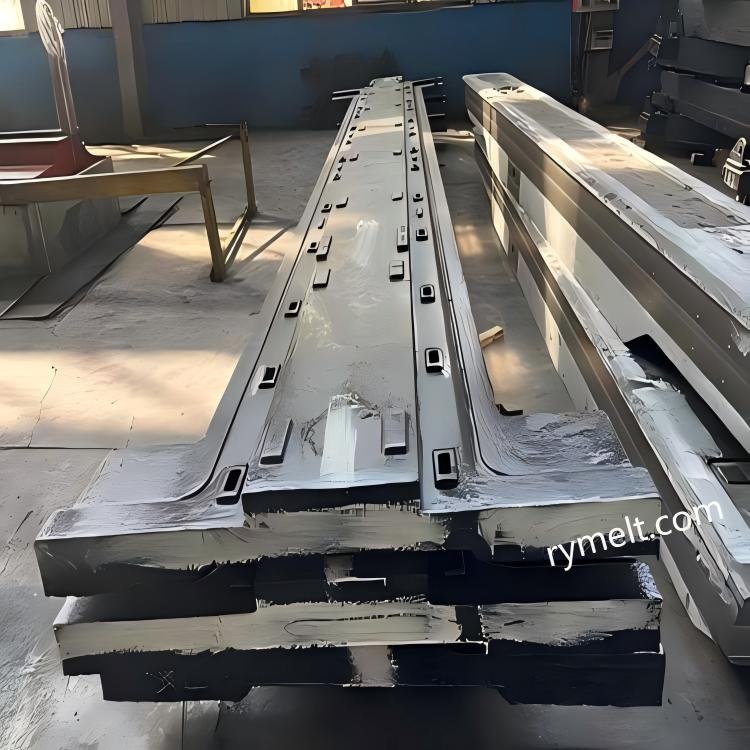
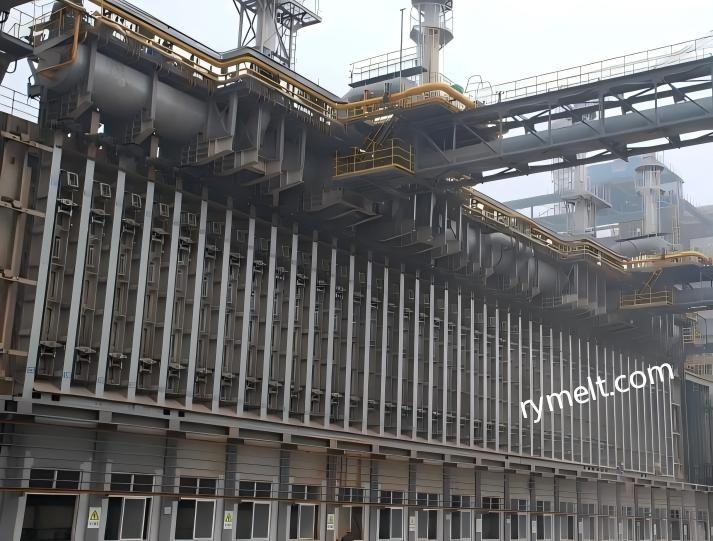
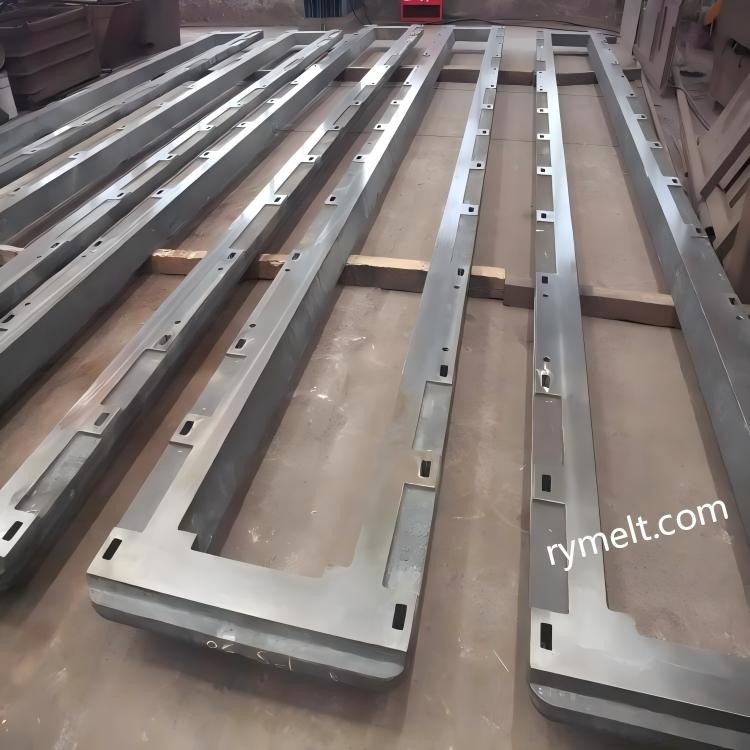
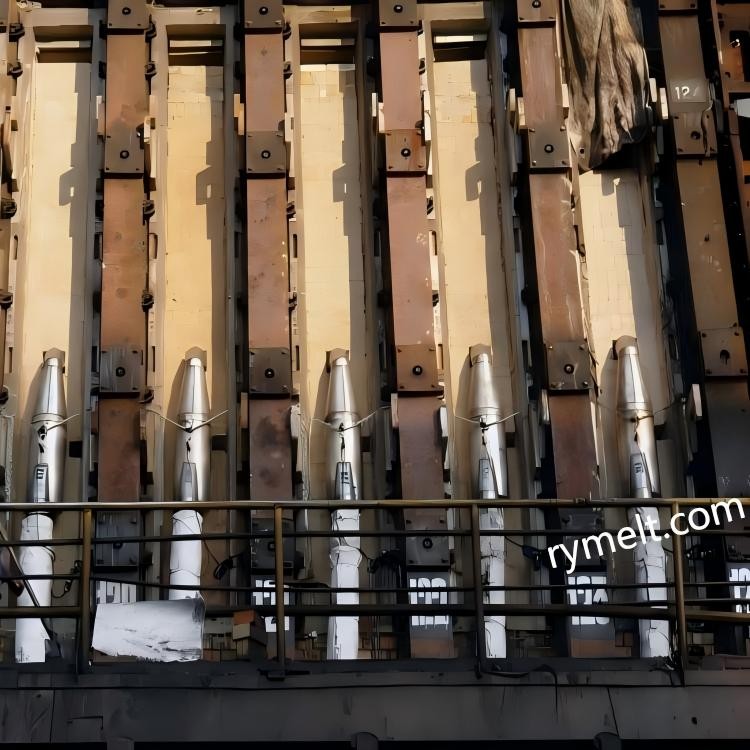
Oven protection iron parts are the most important category of coke oven spare parts. They mainly include longitudinal tie rods, transverse tie rods, springs, coke oven door columns (buckstays), protection plates, and coke oven door frames.
The longitudinal tie rods apply pressure to the coke oven end walls through spring assemblies to resist longitudinal deformation of the masonry.
The transverse tie rods, springs, and oven columns (buckstays) apply protective pressure in the transverse direction of the coke oven.
The protecting plates are installed on the masonry at both ends of the combustion chamber and evenly transfer the pressure applied by the buckstays and springs to the masonry, protecting the oven head area.
The coke oven door, coke oven door frame, and protection plate together form the main oven protection iron parts.

Raw Coke Oven Gas Extraction System
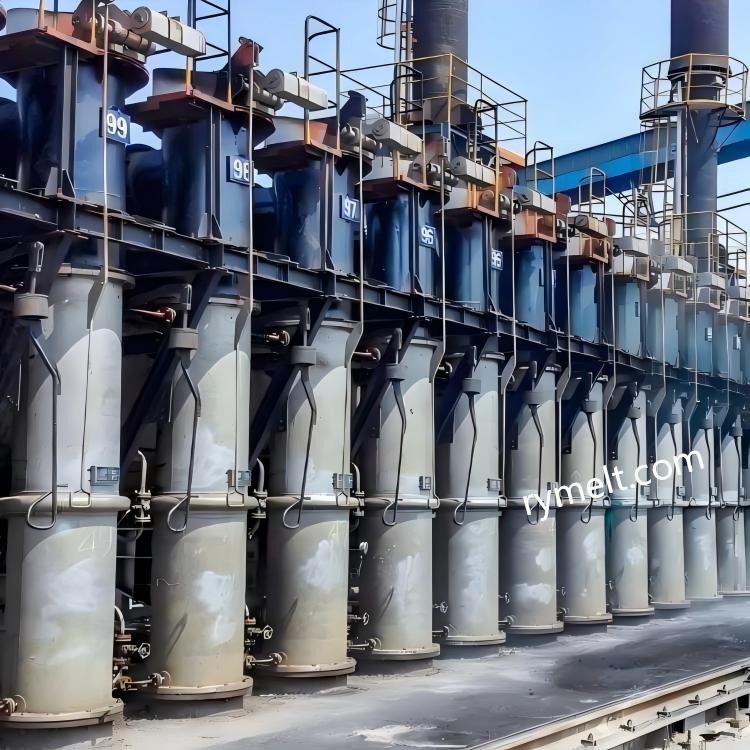
The riser pipe is installed at the riser opening on the top of the coke oven and is used to discharge crude gas from the carbonization chamber.
The bridge pipe connects the riser pipe and the gas collecting main.

Coke Pushing System Components
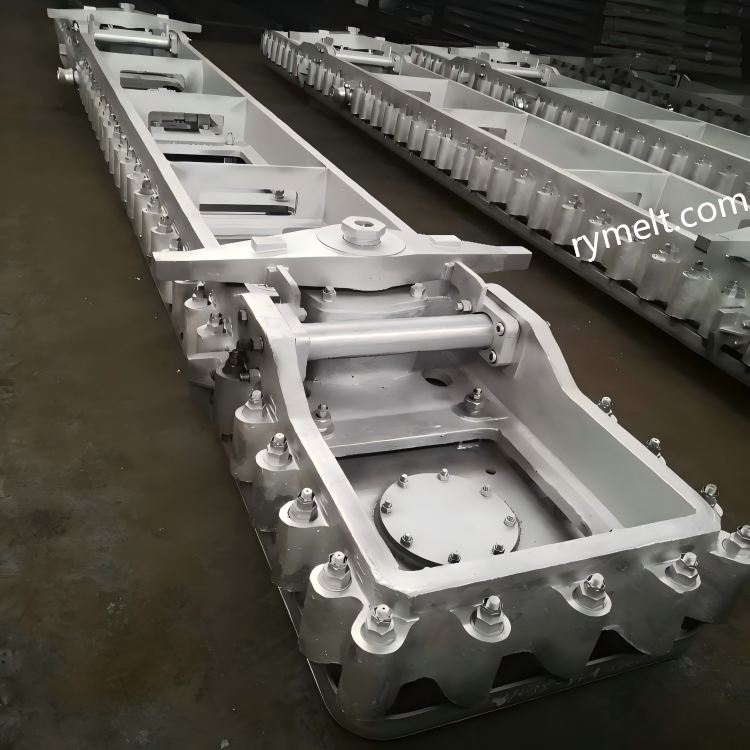
The coke pusher ram is the working component of the coke pushing system, driven by a transmission mechanism, and extends into the carbonization chamber to push out the matured hot coke.
The performance and condition of the coke pusher ram directly affect the operation of the coke pushing machine and also have a significant impact on the coke oven chamber wall, thereby affecting the production capacity and service life of the coke oven.
The stroke and total length of the pusher ram are determined by the length of the carbonization chamber, usually with an additional allowance of about 200 mm.

Procurement Key Points
Specification and Model Clarification
Before procurement, a detailed technical list should be prepared, clearly specifying part names, specifications and models (drawing numbers), material requirements, and quantities.
Coke ovens with different carbonization chamber heights (such as 4.3 m, 5.5 m, 6 m, 6.25 m, etc.) require different spare part specifications.
The spare parts must be fully interchangeable with existing equipment and meet long-term reliable operation requirements under harsh conditions such as high temperature, dust, and vibration.
The coke pusher ram must match the coke oven type and coke pusher machine.
Common specifications include those suitable for 6 m stamp-charging coke ovens and 6.25 m stamp-charging coke ovens.Before procurement, parameters such as carbonization chamber length and pusher stroke must be clarified.The total length of the pusher ram can reach 32,000 mm, and the pushing stroke is about 26,930 mm.

Priority should be given to high-performance materials such as vermicular graphite cast iron.
During procurement, suppliers may be required to provide quality certificates that comply with standards such as T/CFA 0201-2025 or YB/T 138-1998.
The surface of castings should be clean and regular, with no burrs or flash.

Inspection and Warranty
The contract should clearly define acceptance standards and require the provision of factory certificates, product inspection reports, and other quality documents.
Warranty period and service terms during the warranty period should be clearly specified.
Life Cycle Cost
Procurement should not focus only on purchase price. Instead, comprehensive consideration should be given to service life, replacement frequency, and maintenance cost.High-performance materials may have higher initial cost, but they provide longer service life and lower overall cost.


