


Overview
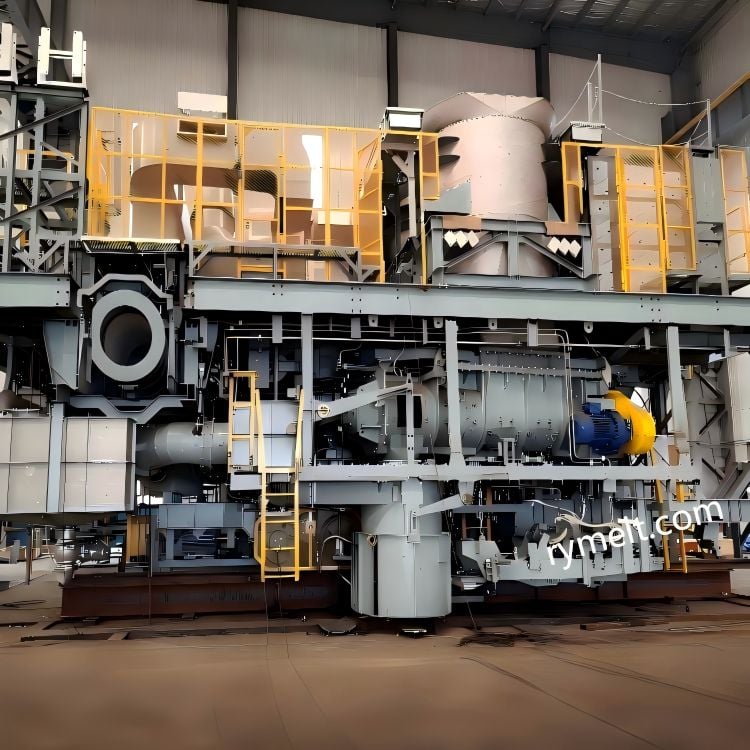
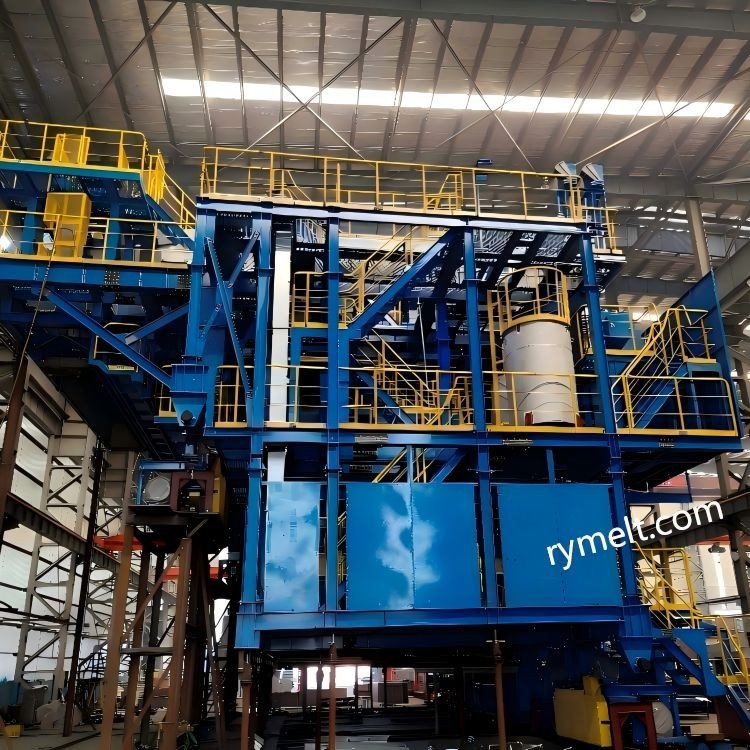
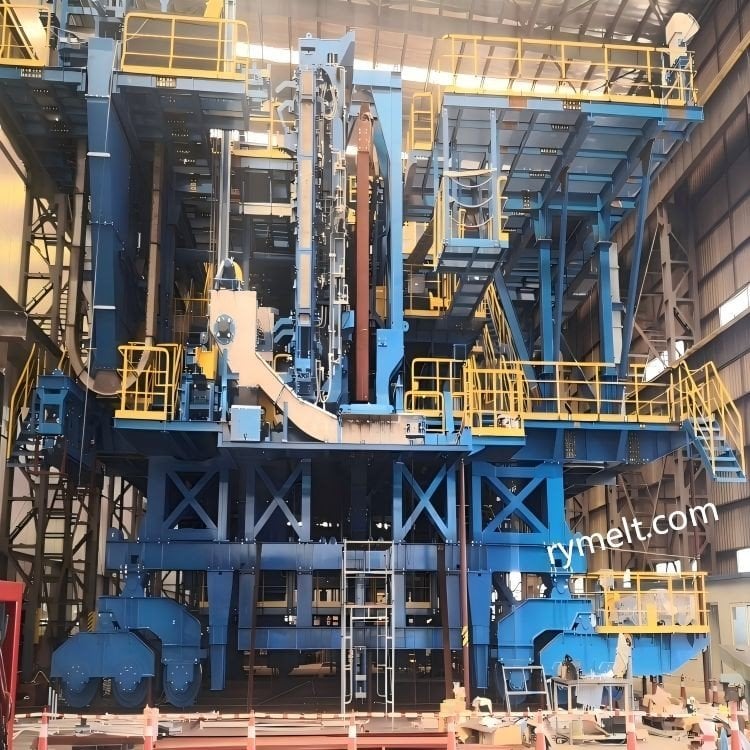
Coke oven machinery is a set of specialized equipment used in coke production plants to perform key operations such as coal charging, coke pushing, coke quenching, and gas reversing.
It operates in high-temperature, dusty, and continuous production environments, requiring high reliability, precise coordination, and automation capability.
According to process types, it is mainly divided into:
Top-charging coke oven system
Stamp-charging coke oven system
Quenching methods include:
Wet quenching system
Dry quenching system (CDQ)

Main Components
Coke oven machinery is commonly referred to as the "Three Major Coke Oven Machines", supported by auxiliary systems.
1) Coke Charging Car (Larry Car)
Transfers coal from the coal tower and charges it into the coke oven chamber.
Functions:
Coal receiving and distribution
Charging through oven top openings
Dust suppression during charging
2) Coke Pusher Machine
Pushes hot coke out of the coke oven chamber after coking is completed.
Functions:
Coke pushing operation
Coke-side door opening/closing
Coordination with coke guide car
3) Coke Guide Car (Door Machine)
Operates on the coke side to open doors and guide hot coke into quenching equipment.
Functions:
Oven door handling
Coke guiding and discharge control
Emission and dust control
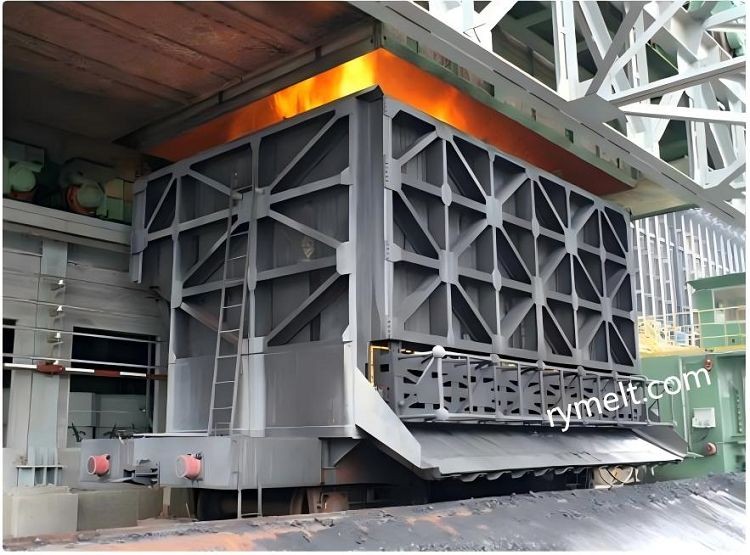
4) Coke Quenching Car
Transports red-hot coke to quenching systems (wet quenching or CDQ).
5) Gas Reversing Machine
Controls switching of heating gas flow to ensure uniform heating of coke ovens.

Key Technical Features
Modern coke oven machinery is developing toward:
Large-scale design
Full automation and remote control
Intelligent positioning and monitoring
Dust and emission reduction systems
Energy-saving and CDQ integration

Procurement Key Points
1) Process Selection
Top-charging: mature, suitable for large-scale production
Stamp-charging: allows use of low-grade coal, reducing raw material cost
2) Key Parameters
Selection depends on:
Oven chamber height (4.3–8 m typical)
Chamber size and production capacity
Annual output (0.6–2.0 million tons/year)
3) Standards & Compliance
Common standards:
JB/T 12474.1
YB/T 6362
4) Procurement Considerations
Focus on:
High-temperature and heavy-duty adaptability
Safety interlocks and environmental protection systems
Lifecycle cost (maintenance + energy + spare parts)
Supplier engineering experience and references
Automation and future upgrade capability

Conclusion
Coke oven machinery is critical for stable and efficient coke production. Proper selection ensures higher productivity, lower emissions, and reduced operating costs, especially under modern automated and environmentally strict steel plant requirements.


