

As a supplier of Torch Cutting Machines, I've witnessed firsthand the diverse needs and applications of various industries. One common question that often arises is, "What is the difference between a small - scale and a large - scale Torch Cutting Machine?" In this blog, I'll delve into the key distinctions between these two types of machines to help you make an informed decision for your specific requirements.
1. Physical Size and Footprint
The most obvious difference between small - scale and large - scale Torch Cutting Machines lies in their physical dimensions. Small - scale Torch Cutting Machines are typically compact and designed for use in limited spaces. They can be easily moved around a workshop or even transported to different job sites. Their smaller size makes them ideal for small - scale fabrication shops, hobbyists, or businesses with limited floor space.
On the other hand, large - scale Torch Cutting Machines are massive in size. They are usually installed in dedicated industrial facilities where there is ample space. These machines often require a significant amount of floor space to accommodate their large cutting tables and associated equipment. For example, in a large steel manufacturing plant, a large - scale Torch Cutting Machine can take up an entire section of the factory floor.
2. Cutting Capacity
Cutting capacity is another crucial factor that differentiates small - scale and large - scale Torch Cutting Machines. Small - scale machines are generally designed for cutting thinner materials. They can handle materials with a thickness ranging from a few millimeters to a couple of centimeters. These machines are suitable for cutting sheet metal, thin pipes, and other small - gauge materials.
Large - scale Torch Cutting Machines, however, are built to handle much thicker materials. They can cut through steel plates that are several inches thick. This makes them indispensable in industries such as shipbuilding, heavy machinery manufacturing, and large - scale construction projects. For instance, in the construction of large bridges, large - scale Torch Cutting Machines are used to cut thick steel beams to the required lengths and shapes.
3. Precision and Accuracy
When it comes to precision and accuracy, both small - scale and large - scale Torch Cutting Machines have their own capabilities. Small - scale machines are often equipped with advanced control systems that allow for high - precision cutting. They can achieve tight tolerances, making them suitable for applications where precise cuts are required, such as in the production of small components for electronics or jewelry.

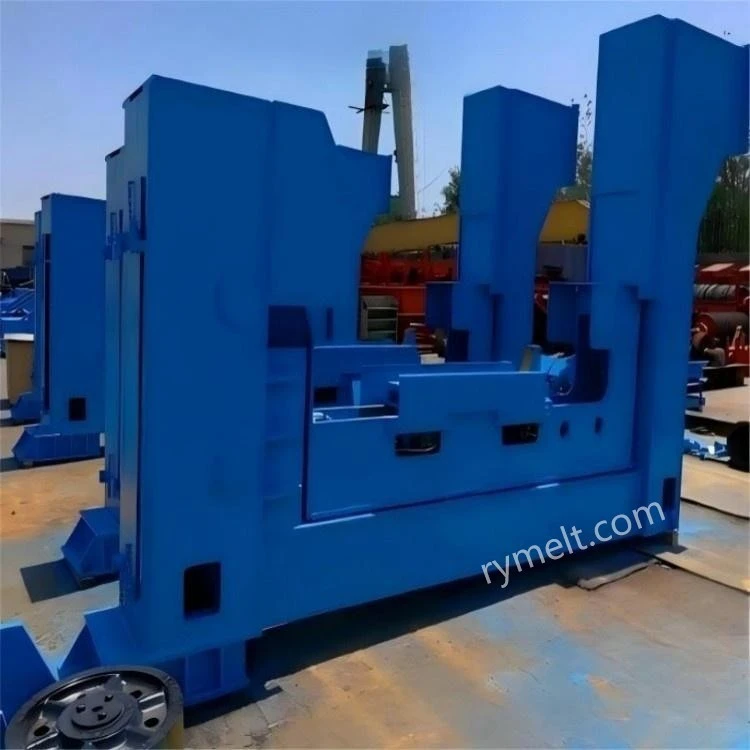
Large - scale Torch Cutting Machines also offer high levels of precision, but they are more focused on handling large - scale cutting tasks with consistent accuracy. These machines use sophisticated software and control systems to ensure that the cuts are made with minimal deviation. In large - scale manufacturing processes, maintaining accuracy is crucial to ensure the quality and integrity of the final product.
4. Speed of Cutting
The speed of cutting is an important consideration for many businesses. Small - scale Torch Cutting Machines are generally slower in terms of cutting speed compared to their large - scale counterparts. This is because they are designed to handle smaller materials and often prioritize precision over speed. However, for small - scale projects where time is not a critical factor, the slower cutting speed may not be a significant issue.
Large - scale Torch Cutting Machines are optimized for high - speed cutting. They are capable of cutting through large volumes of material in a relatively short period. This makes them highly efficient for large - scale production runs. For example, in a steel mill, large - scale Torch Cutting Machines can quickly cut through large sheets of steel, increasing the overall productivity of the manufacturing process.
5. Cost
Cost is a significant factor when choosing between a small - scale and a large - scale Torch Cutting Machine. Small - scale machines are generally more affordable in terms of initial purchase price. They require less investment in terms of equipment and installation. Additionally, their operating costs, such as energy consumption and maintenance, are also relatively lower. This makes them a cost - effective option for small businesses and startups.
Large - scale Torch Cutting Machines, on the other hand, come with a higher price tag. The initial investment in these machines is substantial, and they also require significant resources for installation and maintenance. However, for large - scale industries where high - volume production is required, the long - term benefits of increased productivity and efficiency often outweigh the initial cost.
6. Applications
The applications of small - scale and large - scale Torch Cutting Machines vary significantly. Small - scale machines are commonly used in small - scale fabrication shops, art studios, and DIY projects. They are ideal for creating small parts, prototypes, and custom - made items. For example, a small - scale Torch Cutting Machine can be used to create decorative metal art pieces or to fabricate small components for a home - built project.
Large - scale Torch Cutting Machines are primarily used in heavy industries such as steel manufacturing, shipbuilding, and large - scale construction. They are essential for cutting large - scale structural components, such as steel beams, plates, and pipes. For instance, in the construction of a large skyscraper, large - scale Torch Cutting Machines are used to cut the steel components that form the building's framework.
7. Automation and Control
Automation and control features also differ between small - scale and large - scale Torch Cutting Machines. Small - scale machines may have basic automation features, such as simple programmable cutting patterns. They are often operated manually or with minimal automation, making them suitable for operators with limited technical skills.
Large - scale Torch Cutting Machines are highly automated and equipped with advanced control systems. These machines can be programmed to perform complex cutting tasks with high precision. They often integrate with other industrial systems, such as computer - aided design (CAD) and computer - aided manufacturing (CAM) software, to streamline the production process. For example, in a large - scale manufacturing plant, large - scale Torch Cutting Machines can be connected to a central control system that manages the entire production line.
Conclusion
In conclusion, the differences between small - scale and large - scale Torch Cutting Machines are significant in terms of physical size, cutting capacity, precision, speed, cost, applications, and automation. As a supplier of Torch Cutting Machines, I understand the unique needs of different industries and can help you choose the right machine for your specific requirements. Whether you are a small - scale fabricator or a large - scale industrial manufacturer, there is a Torch Cutting Machine that is perfect for you.
If you are interested in learning more about our Torch Cutting Machines or have any questions regarding their applications, please feel free to reach out to us. We are always ready to assist you in making the best decision for your business.
References
- Industry reports on metal cutting technologies
- Technical specifications of Torch Cutting Machines from leading manufacturers
- Case studies of successful applications of Torch Cutting Machines in various industries