

Hey there! As an induction furnace supplier, I've seen my fair share of issues with these bad boys. Induction furnaces are super useful for melting and refining metals, but like any piece of equipment, they can run into problems. In this blog, I'll walk you through some common problems with induction furnaces and how to solve them.
1. Overheating
One of the most common problems with induction furnaces is overheating. This can happen for a few reasons. First off, if the cooling system isn't working properly, the furnace can't dissipate heat effectively. The cooling system usually consists of water jackets or cooling coils that circulate water to keep the furnace at a safe temperature.
If the water flow is restricted, maybe due to a clogged pipe or a malfunctioning pump, the furnace will start to heat up. To solve this, you need to check the water flow rate and pressure. Make sure the pipes are clear of any debris, and the pump is working as it should. You can also check the water temperature. If it's too high, it might be time to clean the cooling system or replace some parts.
Another reason for overheating could be an issue with the power supply. If the power input is too high, the furnace will generate more heat than it can handle. You need to check the power settings and make sure they're within the recommended range for your specific furnace. Sometimes, a simple adjustment of the power can solve the overheating problem.
2. Leakage
Leakage is another big problem. It can occur in different parts of the furnace, such as the crucible or the cooling system. A leaking crucible can be a real headache because it can lead to metal spills, which are not only dangerous but can also damage the furnace.
If you suspect a crucible leak, you need to shut down the furnace immediately. Check the crucible for any cracks or holes. If you find a small crack, you might be able to repair it with a suitable refractory material. However, if the damage is severe, you'll need to replace the crucible.
For cooling system leaks, you need to locate the source of the leak. It could be a loose connection, a cracked pipe, or a faulty seal. Once you've found the leak, you can repair it by tightening the connections, replacing the damaged pipe, or changing the seal.
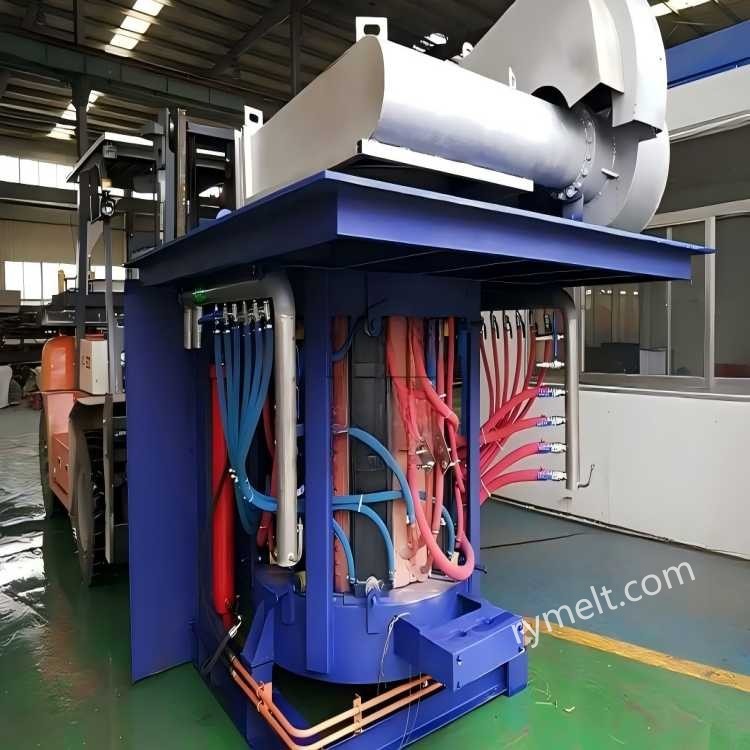
3. Electrical Issues
Electrical problems can also plague induction furnaces. One common issue is a short circuit. This can happen if there's a problem with the wiring or if the insulation has worn out. A short circuit can cause the furnace to stop working or even pose a fire hazard.
To fix a short circuit, you need to inspect the wiring carefully. Look for any signs of damage, such as frayed wires or exposed conductors. If you find a damaged wire, you need to replace it. You should also check the insulation and make sure it's in good condition.
Another electrical problem could be a malfunctioning control panel. The control panel is responsible for regulating the power and other functions of the furnace. If it's not working properly, the furnace might not operate as expected. You can try resetting the control panel or checking the settings. If the problem persists, you might need to call in a professional electrician to diagnose and fix the issue.
4. Refractory Wear
The refractory lining of an induction furnace is crucial for its proper operation. Over time, the refractory can wear out due to the high temperatures and chemical reactions inside the furnace. When the refractory wears thin, it can lead to heat loss, reduced efficiency, and even damage to the furnace structure.
To address refractory wear, you need to monitor the thickness of the refractory lining regularly. You can use non - destructive testing methods to check the condition of the lining. If the refractory is getting too thin, you need to repair or replace it. There are different types of refractory materials available, and you need to choose the one that's suitable for your furnace and the type of metal you're melting.
5. Metal Quality Issues
Sometimes, the quality of the metal produced in the induction furnace might not meet the desired standards. This could be due to a few factors. One reason could be improper melting conditions. For example, if the temperature is too low, the metal might not melt completely, leading to inhomogeneous composition.
To solve this, you need to ensure that the furnace is operating at the correct temperature. You can use temperature sensors to monitor the temperature and make adjustments as needed. Another factor could be the presence of impurities in the raw materials. You need to make sure that the raw materials are of high quality and free from contaminants.
Other Related Furnaces
If you're in the steel - making industry, you might also be interested in other types of furnaces. For example, the Ladle Refining Furnace is used for further refining the molten steel after it's been melted in an induction furnace. It helps to improve the quality of the steel by removing impurities and adjusting the chemical composition.
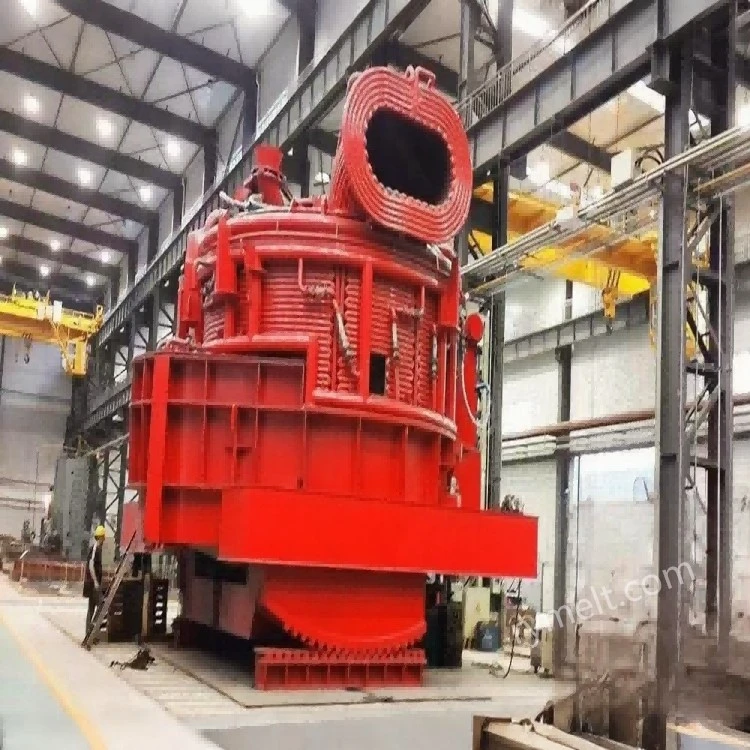
The Electric Arc Furnace is another option. It uses an electric arc to melt the metal, and it's often used for recycling scrap metal. Each type of furnace has its own advantages and disadvantages, and the choice depends on your specific needs and production requirements.
If you're in the market for an Induction Furnace or have any questions about the problems and solutions we've discussed, feel free to reach out. We're here to help you make the most of your furnace and ensure smooth and efficient operation. Whether you're a small - scale metalworker or a large - scale steel manufacturer, we've got the expertise and the products to meet your needs.
References
- "Handbook of Induction Furnace Technology"
- "Steelmaking and Refining Processes"
So, if you're thinking about purchasing an induction furnace or need help with your existing one, don't hesitate to get in touch for a procurement discussion. We're ready to assist you!