

Hey there! As a supplier of induction furnaces, I often get asked about how efficient these bad boys really are. So, let's dive right into it and break down the efficiency of induction furnaces.
What's an Induction Furnace Anyway?
First off, for those who aren't in the know, an Induction Furnace is a type of electric furnace that uses electromagnetic induction to heat and melt metals. It's a pretty nifty piece of technology that's widely used in the metalworking industry.
How Does It Work?
The basic principle behind an induction furnace is pretty simple. When an alternating current passes through a coil, it creates a magnetic field. When a metal is placed inside this coil, the magnetic field induces an electric current in the metal. This current, in turn, generates heat due to the electrical resistance of the metal. This process is super efficient because it directly heats the metal, rather than heating the surrounding air or other mediums first.
Efficiency Factors
Energy Efficiency
One of the biggest advantages of induction furnaces is their energy efficiency. Unlike traditional furnaces that rely on burning fuel, induction furnaces convert a high percentage of electrical energy into heat. In fact, modern induction furnaces can have an energy efficiency of up to 90%. That means that for every unit of electrical energy input, up to 90% of it is used to heat the metal. This is a huge improvement over other types of furnaces, which can waste a significant amount of energy through heat loss.
Melting Speed
Another factor that contributes to the efficiency of induction furnaces is their melting speed. Because the heat is generated directly within the metal, induction furnaces can melt metals much faster than traditional furnaces. This not only saves time but also reduces energy consumption. For example, in a foundry, a faster melting process means that more metal can be melted in a shorter period, increasing overall productivity.

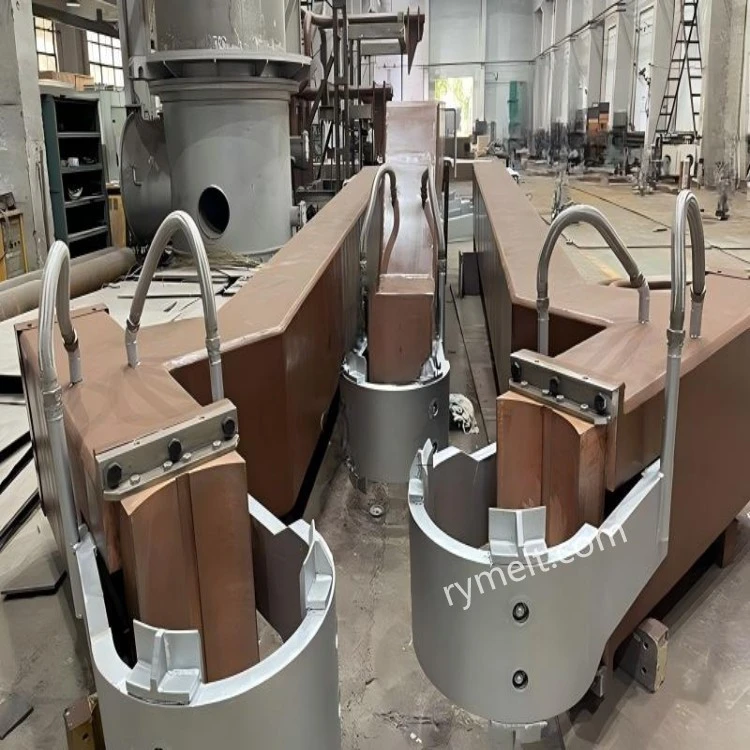
Precision Heating
Induction furnaces also offer precise temperature control. This is crucial in many metalworking applications, where the quality of the final product depends on the exact temperature of the metal. With an induction furnace, you can easily adjust the power input to maintain a consistent temperature, ensuring that the metal is melted and processed under optimal conditions.
Comparing with Other Furnaces
Let's take a quick look at how induction furnaces stack up against other types of furnaces.
Electric Arc Furnaces
Electric arc furnaces use an electric arc to heat the metal. While they are also a popular choice in the steelmaking industry, they tend to be less energy-efficient than induction furnaces. Arc furnaces can have energy losses due to the high heat generated by the arc and the need to heat the electrodes. In contrast, induction furnaces heat the metal directly, resulting in less energy waste.
Submerged Arc Furnaces
Submerged Arc Furnaces are commonly used for producing ferroalloys and other metals. These furnaces use electrodes submerged in the metal bath to generate heat. While they are effective for certain applications, they also have some limitations in terms of energy efficiency. Induction furnaces, on the other hand, offer better energy utilization and faster melting times.
Accessories and Their Impact on Efficiency
The efficiency of an induction furnace can also be enhanced by using the right Electric Furnace Accessories. For example, a well-designed crucible can help to contain the metal and reduce heat loss. Additionally, advanced control systems can optimize the power input and temperature control, further improving the overall efficiency of the furnace.
Real-World Applications
Induction furnaces are used in a wide range of industries, from small-scale jewelry making to large-scale steel production. In the jewelry industry, induction furnaces are prized for their ability to melt precious metals quickly and efficiently, with minimal loss of material. In the steel industry, they are used for melting scrap metal and producing high-quality steel.
Cost Considerations
While induction furnaces may have a higher initial cost compared to some other types of furnaces, their long-term cost savings can be significant. The energy efficiency of induction furnaces means lower electricity bills, and their fast melting speed can increase productivity, leading to higher profits. Additionally, the precise temperature control can result in higher-quality products, reducing waste and rework.
Conclusion
So, to sum it up, induction furnaces are incredibly efficient. Their high energy efficiency, fast melting speed, and precise temperature control make them a top choice for many metalworking applications. Whether you're a small business looking to melt a few ounces of precious metal or a large-scale steel producer, an induction furnace can offer significant benefits.
If you're interested in learning more about our induction furnaces or are considering a purchase, don't hesitate to reach out. We're here to help you find the right solution for your specific needs. Let's start a conversation and see how we can work together to improve your metalworking processes.
References
- "Principles of Induction Heating" by ASM International
- "Handbook of Metal Casting" by J. Campbell