


Core Features
Submerged Arc Operation: The lower end of the electrode is buried within the charge, generating the electric arc within the charge layer. Heat is fully absorbed by the charge, achieving high thermal efficiency while reducing heat radiation and noise.
Reduction Smelting: Primarily involves reduction reactions, using carbonaceous reducing agents (coke, coal, etc.) to reduce metal oxides in ores.

Continuous Production: Except for iron tapping/product discharge intervals, charging and smelting proceed largely uninterrupted, ensuring high production efficiency.
High Energy Consumption: A classic "power-hungry" device with extremely high electricity consumption per unit product (thousands to tens of thousands of kWh/ton of product).

Primary Applications of Submerged Arc Furnaces
Ferroalloys: Ferro-silicon, ferro-manganese, ferro-chromium, ferro-nickel, etc.
Chemical raw materials: Calcium carbide (used to produce acetylene and PVC).
Others: Yellow phosphorus, silicon metal (industrial silicon), matte copper, corundum, etc.

Primary Structural Components
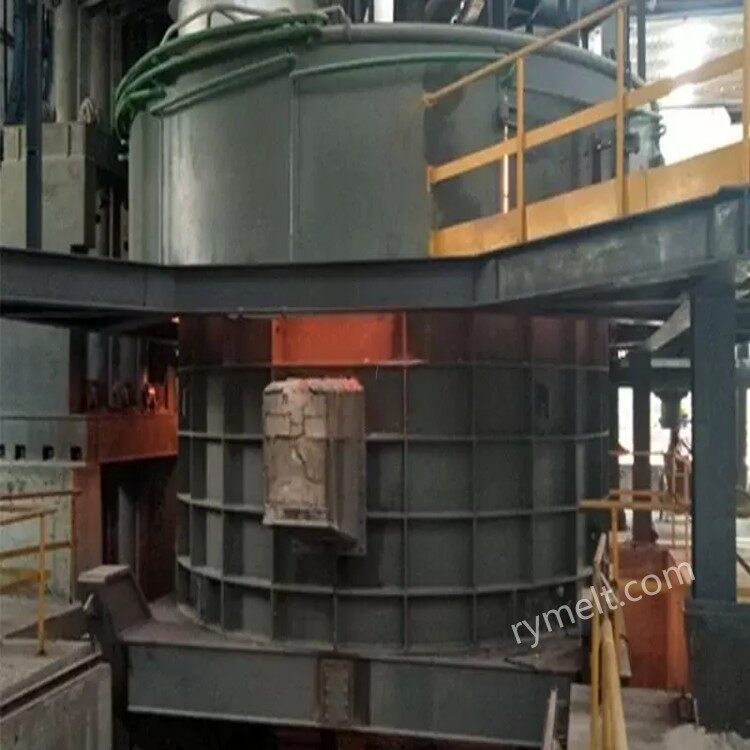
Furnace body:
Includes furnace shell (steel), refractory lining (carbon bricks, magnesia bricks, etc.), iron tapping hole/slag tapping hole.
Electrode System:
Self-baked electrodes (commonly used): Sintered in the furnace from electrode paste, enabling continuous operation.
Pre-baked electrodes (for high-power furnaces): Pre-fired.
Electrode holders and lifting mechanisms (hydraulic or electromechanical) control electrode positioning.
Transformer and Shorting Network:
Specialized electric furnace transformer: Supplies low voltage and high current.
Shorting network: High-current conductors (copper busbars or water-cooled cables) connecting the transformer secondary to the electrodes. Their design and layout significantly impact efficiency.

Charging system:
Proportionately feeds pre-mixed furnace charge (ore, reducing agent, flux) into the furnace.
Cooling System:
Provides water cooling for the furnace shell, electrodes, water-cooled cables, etc.
Flue Gas Purification and Recovery System:
Treats high-temperature flue gas containing combustible gases (e.g., CO) and dust, often integrated with a waste heat boiler for power generation.
Control System:
Modern SAF plants commonly employ PLC/DCS systems for automated control of electrode lifting, charging, power, etc.

Typical parameter differences among different products
|
Product Type |
Typical Power (MW) |
Operating Voltage (V) |
Electrode Current Density (A/cm²) |
Furnace Type Characteristics |
|
Ferrosilicon / Industrial silicon |
25 - 80+ |
Higher (150-400) |
Lower (5-7) |
The furnace chamber is relatively deep, requiring the high-temperature zone to be concentrated. |
|
High-carbon ferrochromium/ferromanganese |
20 - 60 |
medium (120-250) |
medium (6-8) |
The amount of reducing agent is large, and the resistance of the furnace charge is relatively high. |
|
Calcium carbide (CaC₂) |
30 - 75 |
Lower (100-180) |
Higher (7-9) |
Requires high temperature, the electrode is inserted deeply, and the diameter of the furnace chamber is relatively small. |
|
Nickel-iron |
40 - 100+ |
medium |
medium |
Large rectangular furnaces or circular furnaces often process laterite nickel ore. |
Our company can provide various types of submerged arc furnaces and has established long-term supply relationships with major steel mills and large smelting plants in China.
Reference parameters of submerged arc furnace products provided by our company
|
Capacity |
Model |
Variety |
Furnace shell diameter |
Furnace shell Height |
Transformer primary side voltage |
Transformer Secondary side voltage |
Range Electrode Diameter |
|
|
|
|
(mm) |
(mm) |
(KV) |
(V) |
(mm) |
|
400KVA |
HK-560 |
75% ferrosilicon Calcium siliconalloy |
3200 3200 |
1680 1680 |
6;10 6;10 |
~62 ~59 |
360 360 |
|
1000KVA |
HK-1000 |
75% ferrosilicon Calcium silicon alloy |
3800 3800 |
2000 2000 |
6;10 6;10 |
~75 ~75 |
450 450 |
|
1800KVA |
HM-1800 |
Ferromanganese Silicomanganese Alloy |
4800 4600 |
2800 2800 |
6;10 6;10 |
78-99 78-99 |
550 530 |
|
HK-1800 |
75% ferrosilicon |
4200 |
2600 |
6;10 |
78-99 |
500 |
|
|
HG-1800 |
Silicon-chromium alloy Carbon ferrochromium Industrial silicon |
4200 4300 4600 |
2600 2600 2800 |
6;10 6;10 6;10 |
78-99 78-99
|
480 480
|
|
|
HD-1800 |
calcium carbide |
4600 |
2800 |
6;10 |
|
|
|
|
3000KVA |
HM-3000 |
Ferromanganese with carbon |
5400 |
3600 |
6;10 |
84-112 |
650 |
|
HG-3000 |
Ferrochromium Silicomanganese Alloy |
4900 5200 |
3200 3400 |
6;10 6;10 |
84-112 84-112 |
580 630 |
|
|
HK-3000 |
75% ferrosilicon |
4800 |
3200 |
6;10 |
84-112 |
600 |
|
|
3000KVA |
HD-3000
|
Silicochromium Industrial silicon Calciumcarbide |
4800 5200 5200 |
3200 3400 3400 |
6;10 6;10 6;10 |
84-112 |
580 |
|
6000KVA |
HM-6000 |
Ferromanganese Silicomanganese alloy |
6800 6600 |
3800 3800 |
6;10 6;10 |
104-132 104-132 |
820 800 |
|
HK-6000
|
75% ferrosilicon Silicochromium Carbonferrochrome |
6200 6200 6300 |
3600 3000 3000 |
6;10 6;10 6;10 |
104-132 104-132 104-132 |
780 740 740 |
|
|
HD-6000 |
calcium carbide |
6600 |
3800 |
6;10 |
|
|
|
|
9000KVA |
HM-9000 |
Ferromanganese carbide Silicomanganese alloy |
7700 7500 |
4150 4050 |
6;10 6;10 |
101-119-143 101-119-143 |
950 920 |
|
HK-9000
|
75% ferrosilicon Silico-chromiumalloy Carbon ferrochrome |
6600 6600 6800 |
3750 3750 3950 |
6;10 6;10 6;10 |
113-131-155 113-131-155 113-131-155 |
900 880 880 |
|
|
HD-9000 |
calcium carbide |
7500 |
4050 |
6;10 |
|
|
|
|
12500KVA |
HK-12500 |
75% ferrosilicon |
7600 |
4100 |
35 |
123-165 |
1000 |
|
16500KVA |
HK-16500 |
75% ferrosilicon |
8000 |
4400 |
35 |
139-178 |
1200 |
Note: Numbers marked with "▲" are for reference only


