

Can a Torch Cutting Machine be used for precision cutting?
In the realm of metal fabrication and cutting industries, the question of whether a torch cutting machine can be used for precision cutting is one that often stirs up considerable debate. As a trusted torch cutting machine supplier, we have delved deep into this topic, and through our extensive experience and knowledge, we aim to provide a comprehensive insight into this matter.
Understanding Torch Cutting Machines
Torch cutting machines are well - known in the industry for their ability to cut through thick metal materials. They employ a technique that involves heating the metal to its ignition temperature using a pre - heating flame and then using a high - pressure oxygen jet to oxidize and blow away the molten metal, creating a cut. There are different types of torch cutting machines, such as oxy - fuel cutting machines and plasma cutting machines, each with its own set of characteristics and applications.
Oxy - fuel cutting machines are often used for cutting ferrous metals. They rely on the chemical reaction between oxygen and the iron in the metal to create the cutting action. Plasma cutting machines, on the other hand, use a high - velocity jet of ionized gas (plasma) to melt and remove the metal. Both types of machines have their place in the industry, but the question remains: can they perform precision cutting?
Precise Cutting Definition and Requirements
Precision cutting typically refers to the process of cutting a material with a high degree of accuracy in terms of dimensions, smoothness of the cut edge, and minimal heat - affected zone. In applications such as aerospace, automotive parts manufacturing, and high - end machinery production, precision cutting is of utmost importance. Tolerances can be as tight as a few thousandths of an inch, and the quality of the cut can directly impact the performance and safety of the final product.
Capabilities of Torch Cutting Machines for Precision Cutting
Oxy - Fuel Cutting Machines
Oxy - fuel cutting machines can achieve a certain level of precision. In well - controlled environments with proper operator skill and the right equipment setup, they can cut thick metals with a relatively straight and clean edge. The pre - heating process can be adjusted to ensure a consistent cutting speed, which is crucial for precision. For example, when cutting thick steel plates for structural applications, an experienced operator can use an oxy - fuel cutting machine to create cuts with a reasonable degree of accuracy.
However, oxy - fuel cutting also has its limitations. The heat - affected zone is relatively large compared to some other cutting methods. This can cause distortion in the metal, especially in thinner materials. Additionally, the cutting speed may not be as fast as some other methods, which can limit its application in high - volume, high - precision manufacturing scenarios. For example, when cutting intricate parts with fine details, the large heat - affected zone may lead to unwanted changes in the metal's properties, affecting the overall precision of the part.
Plasma Cutting Machines
Plasma cutting machines offer better precision compared to oxy - fuel cutting machines in many cases. They can cut a wider range of materials, including non - ferrous metals such as aluminum and copper. The plasma arc is highly concentrated, resulting in a smaller heat - affected zone and cleaner cuts. Plasma cutting machines can also achieve higher cutting speeds, which is beneficial for increasing productivity.
Modern plasma cutting systems are often equipped with advanced control technology. These systems can accurately control the cutting parameters, such as the plasma gas flow, cutting current, and torch height. This level of control allows for more precise cuts, even in complex shapes. For instance, in the automotive industry, plasma cutting machines are used to cut complex body parts with high precision, meeting the strict quality requirements.
Factors Affecting Precision in Torch Cutting
There are several factors that can affect the precision of torch cutting. One of the most important factors is the operator's skill. A skilled operator can accurately adjust the cutting parameters according to the material type, thickness, and the desired cut quality. Training and experience play a vital role in ensuring that the cutting process is carried out with precision.
The quality of the cutting equipment also matters. High - quality torch cutting machines are equipped with advanced sensors and control systems that can maintain stable cutting conditions. For example, a machine with a precise torch height control system can ensure a consistent distance between the torch and the material, which is essential for a uniform cut.
The material properties themselves also influence precision. Different metals have different melting points, thermal conductivities, and oxidation rates. These properties can affect the cutting process, such as the cutting speed and the quality of the cut edge. For example, materials with high thermal conductivity may require different cutting parameters compared to those with low thermal conductivity to achieve the same level of precision.
Real - World Applications and Success Stories
In many industries, torch cutting machines have been successfully used for precision cutting. For example, in the shipbuilding industry, thick steel plates need to be cut into various shapes and sizes with high precision. Torch cutting machines, especially plasma cutting machines, are used to cut these plates efficiently and accurately.
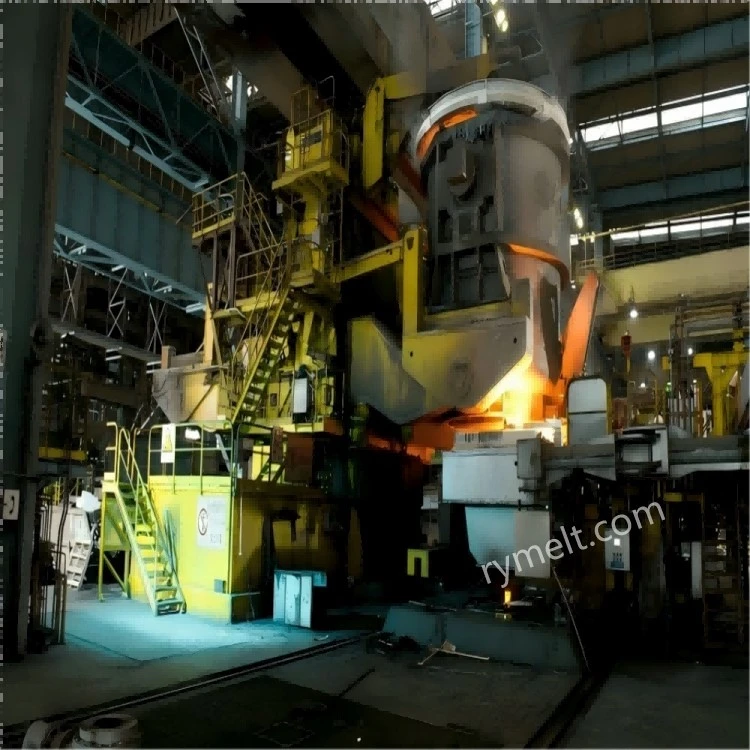
In the field of heavy machinery manufacturing, large - scale components are often fabricated using torch cutting. Ladle Turret parts used in steelmaking, such as those found on the Ladle Turret, sometimes need precise cutting to ensure proper fit and function. Similarly, Tundish Car components, like those on the Tundish Car, require accurate cutting for smooth operation. Even in smaller components like the Water Jacket, precision cutting can be achieved using torch cutting machines when the right techniques and equipment are employed.
Guidance on Achieving Precision Cutting with Torch Cutting Machines
To achieve precision cutting with torch cutting machines, proper planning is essential. Before starting the cutting process, the material should be carefully inspected for any surface defects or unevenness. The cutting path should be designed using CAD (Computer - Aided Design) software to ensure accuracy.

Investing in high - quality cutting consumables is also crucial. Consumables such as nozzles and electrodes can significantly affect the cut quality. Worn - out or low - quality consumables can lead to inconsistent cuts and reduced precision.
Regular maintenance of the cutting machine is necessary to keep it in optimal condition. This includes cleaning the machine, checking the gas lines for leaks, and calibrating the control systems. A well - maintained machine is more likely to produce precise cuts consistently.
Conclusion
In conclusion, while torch cutting machines may not have the same level of precision as some advanced cutting methods like laser cutting in all scenarios, they are certainly capable of precision cutting when used correctly. Oxy - fuel and plasma cutting machines each have their own advantages and limitations in terms of precision, but with the right equipment, operator skill, and process control, they can meet the precision requirements of many industries.
If you are looking for a reliable torch cutting machine supplier for your precision cutting needs, we are here to help. Our wide range of high - quality torch cutting machines, combined with our expertise and support, can provide you with the cutting solution that fits your requirements. Contact us today to start discussing your project and explore how our torch cutting machines can contribute to your precision cutting operations.
References
- "Metal Cutting Handbook" by Industrial Press Inc.
- "Modern Welding Technology" by Glover, A.; Fronczak, D.; and McKinney, S.