

Monitoring the secondary cooling process is crucial in the continuous casting of steel. As a secondary cooling supplier, I've seen firsthand how effective monitoring can significantly improve the quality of the final product and the efficiency of the casting process. In this blog, I'll share some practical ways to monitor the secondary cooling process.
Understanding the Secondary Cooling Process
Before we dive into monitoring, let's quickly go over what the secondary cooling process is. In continuous casting, after the molten steel is poured into the mold and starts to solidify, it enters the secondary cooling zone. Here, water sprays are used to further cool the strand, promoting solidification and shaping it into the desired form.
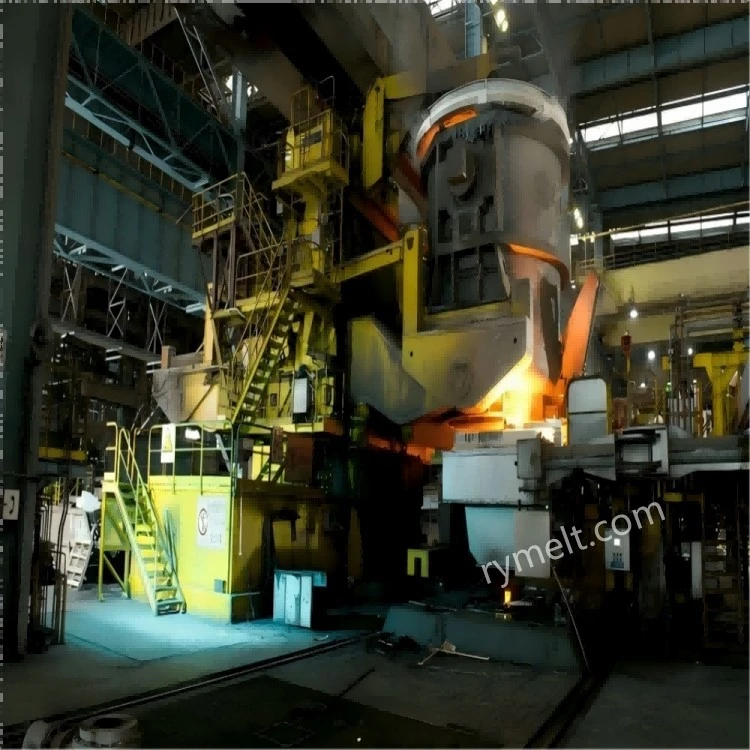
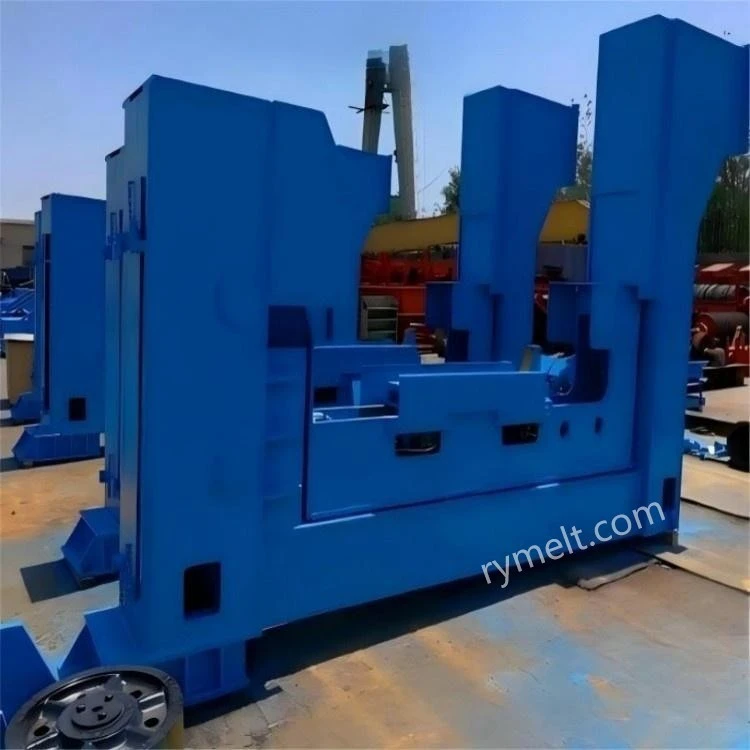
The secondary cooling system is made up of several key components. We've got the Ladle Turret, which holds the ladle of molten steel and rotates it to the casting position. Then there's the Tundish Car, which transports the tundish, a container that distributes the molten steel evenly into the mold. And of course, the Copper Mould Tube plays a vital role in the initial solidification process.
Temperature Monitoring
One of the most important aspects of monitoring the secondary cooling process is keeping an eye on the temperature of the strand. Temperature affects the solidification rate and the quality of the final product. There are a few ways to do this.
Thermocouples are a common tool for temperature measurement. They can be placed at various points along the secondary cooling zone to get a real - time reading of the strand's temperature. By analyzing the temperature data, we can adjust the water flow rate in the cooling sprays. If the temperature is too high, we can increase the water flow to cool the strand more quickly. On the other hand, if the temperature is too low, we can reduce the water flow to prevent over - cooling.
Infrared cameras are also a great option. They can provide a non - contact way to measure the surface temperature of the strand. Infrared cameras can cover a larger area compared to thermocouples, giving us a more comprehensive view of the temperature distribution. This helps us identify any hot spots or uneven cooling areas that might affect the quality of the casting.
Water Flow Monitoring
The water flow in the secondary cooling system is another critical factor. The right amount of water is needed to cool the strand effectively. If the water flow is too low, the strand won't cool fast enough, leading to issues like surface cracks and internal defects. If the water flow is too high, it can cause excessive cooling and lead to other problems.
Flow meters are used to measure the water flow rate in the cooling sprays. These meters can be installed at different points in the water supply system. By monitoring the flow rate, we can ensure that each cooling spray is delivering the right amount of water. Some advanced flow meters can also provide data on the pressure of the water, which is important for maintaining a consistent spray pattern.
Spray Pattern Monitoring
The spray pattern of the cooling water is just as important as the water flow rate. A proper spray pattern ensures that the water is distributed evenly over the surface of the strand. Uneven spray patterns can lead to uneven cooling, which can cause defects in the casting.
Visual inspection is one way to monitor the spray pattern. Operators can visually check the sprays to make sure they are covering the entire surface of the strand and that the droplets are of the right size. However, this method is not very accurate and can be time - consuming.
There are also more advanced techniques, such as laser - based systems. These systems can measure the droplet size, velocity, and distribution of the water spray. By analyzing the data from these systems, we can adjust the nozzles or the water pressure to optimize the spray pattern.
Quality Control
Monitoring the secondary cooling process also involves quality control of the final product. After the casting is complete, samples are taken and inspected for defects. This can include checking for surface cracks, internal porosity, and other quality issues.
Non - destructive testing methods, such as ultrasonic testing and magnetic particle testing, can be used to detect internal defects. These methods are quick and don't damage the casting. By analyzing the test results, we can determine if the secondary cooling process is working properly. If there are a lot of defects, we may need to adjust the cooling parameters.
Data Analysis and Automation
In today's digital age, data analysis and automation play a big role in monitoring the secondary cooling process. By collecting and analyzing data from temperature sensors, flow meters, and other monitoring devices, we can gain valuable insights into the process.
Automation systems can use this data to make real - time adjustments to the cooling parameters. For example, if the temperature of the strand rises above a certain threshold, the automation system can automatically increase the water flow rate. This not only improves the quality of the casting but also increases the efficiency of the process.
Conclusion
Monitoring the secondary cooling process is essential for producing high - quality steel castings. By monitoring temperature, water flow, spray pattern, and conducting quality control, we can ensure that the secondary cooling system is working at its best.
If you're in the market for secondary cooling solutions or have any questions about monitoring the secondary cooling process, I'd love to talk to you. Feel free to reach out to discuss your specific needs and how we can help you optimize your continuous casting process.
References
- Smith, J. (2018). Continuous Casting Handbook. Publisher X.
- Johnson, A. (2020). Advances in Secondary Cooling Technology. Journal of Steel Manufacturing, 15(2), 45 - 58.